
SQL Essential Training
Build practical SQL query skills for real-world data
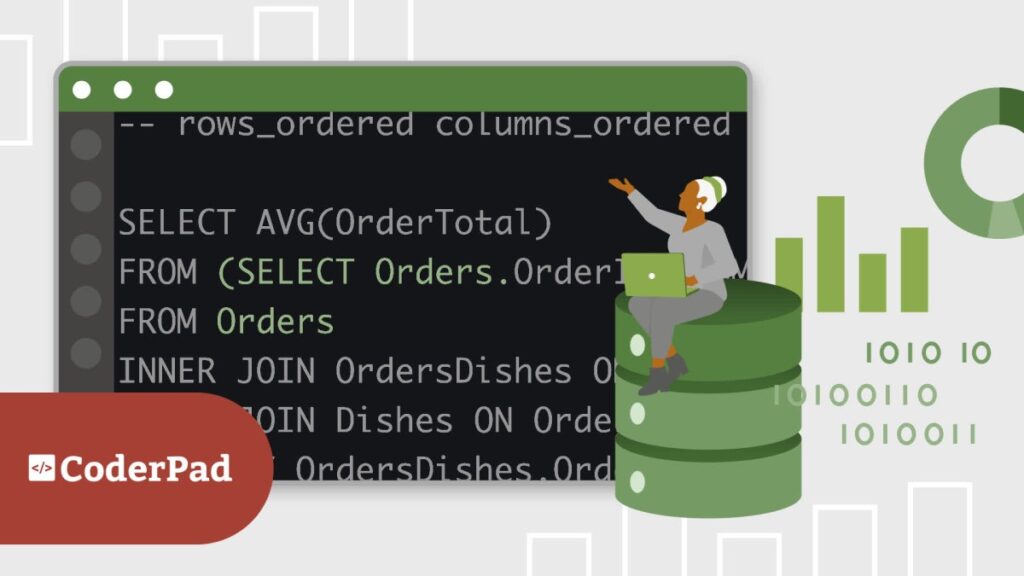
SQL Essential Training is a practical, beginner-friendly course that teaches how to write and reason about SQL queries to extract and transform data from relational databases.
It emphasizes hands-on practice in a SQLite environment and interactive Code Challenges so learners can apply SELECT statements, joins, functions, grouping, and subqueries to real datasets.
The course is aimed at aspiring data analysts, developers, and professionals who need reliable, job-relevant query skills for reporting, analysis, or interview preparation.
Completing it builds measurable competencies in composing, optimizing, and organizing queries, along with confidence using views and data-modification statements in real workflows.
At a Glance
SQL Essential Training is a practical introductory course that teaches how to use SQL to query and analyze relational databases.
It is taught by Walter Shields and broadly covers database structure, core SQL query syntax, joins, functions, grouping, subqueries, and practical techniques for discovering insights in data.
| Level | Beginner |
| Rating | 4.8 out of 5 |
| Duration | 4+ hours |
| Languages | English |
| Learners | Not publicly disclosed |
| Certificate | Certificate of Completion (shareable) |
| Access | Access for as long as your LinkedIn Learning subscription is active |
| Course includes |
|
| Price | Included with LinkedIn Learning subscription; free trial and team/enterprise purchase options available |
What This Course Teaches
The course frames outcomes as measurable SQL competencies you can apply to real datasets; learners finish able to write, optimize, and reason about queries that extract and transform relational data.
Expect to leave able to compose accurate SELECT statements, join related tables, apply functions and aggregation, and use subqueries and views to structure repeatable analyses.
How the Course Is Structured
The course is organized as a linear sequence of sections that begin with an introduction and environment setup, progress through foundational SQL topics (queries, joins, functions, grouping, and subqueries), and finish with applied scenarios and a mock interview practice.
Overall it comprises 14 modules and runs about 4+ hours in total.
Curriculum overview
01Introduction▾
Introduces the data-driven context, what learners should know, and provides a tour of the Coder — Pad environment used for interactive exercises.
02The Basics of Database Structures▾
Covers relational database theory and an overview of the SQLite engine used in the course.
03The SQL Stack▾
Introduces the sample WSDA Music database and offers learning tips for working through the course content.
04The SQLite Database Environment▾
Shows how to access DB Browser for SQLite, load the sample database file, and navigate the browse and query-writing areas.
05Composing Queries▾
Teaches query composition techniques including commenting, column aliases, sorting, and limiting results, plus best practices for readable queries.
- Solution: Concise track pricing report
06Discovering Insights in Data▾
Explores SQL operators and filtering techniques for numeric, text, and date data, including logical operators and CASE expressions.
- Solution: Categorize tracks by price
07Accessing Data from Multiple Tables▾
Explains how tables relate, the concept of joins, types of joins (INNER, LEFT, RIGHT), ER diagrams, and strategies for joining many tables.
- Solution: Analyzing customer support interactions
08SQL Functions▾
Covers string, date, and aggregate functions, connecting and separating text, case transformations, and nesting functions for data transformation.
- Solution: Customer postal code transformation
09Grouping▾
Shows how to group query results, use WHERE versus HAVING, and group by multiple fields to compute aggregated metrics.
- Solution: Calculate Average spend per city
10Nesting Queries▾
Introduces subqueries in SELECT and other clauses, including aggregated and non-aggregate examples and usage patterns like IN and DISTINCT subqueries.
- Solution: Uncovering unpopular tracks
11Stored Queries▾
Introduces views: creating, editing, joining, and deleting views to encapsulate reusable query logic for reporting and analysis.
12Adding, Modifying, and Deleting Data▾
Covers data administration tasks and how to INSERT, UPDATE, and DELETE records within tables as part of practical workflows.
13Scenario: Mock SQL Interview▾
Provides practice for non-technical interview questions and a mock interview exercise to prepare learners for real-world conversations about SQL work.
- Non-Technical Interview Practice
14Conclusion▾
Wraps up with final reflections, next steps, and tips for continued development.
Audience & Requirements
SQL Essential Training is designed for beginners who need practical, work-ready SQL skills for extracting and transforming data from relational databases. It targets early-career data analysts, developers who must query application data, and professionals preparing for SQL-focused interviews or reporting tasks.
- Aspiring data analysts and business analysts building query skills for reporting.
- Software developers who need to read and extract data from relational databases.
- Professionals preparing for SQL interview questions or technical screenings.
- Learners seeking hands-on practice with real SQL queries in a guided environment.
- No special prerequisites — course is taught at a beginner level.
- DB Browser for SQLite or another SQLite client to follow along with local exercises.
- Basic familiarity with tables or spreadsheets is helpful but not required.
- Access to LinkedIn Learning (individual, team, or enterprise) to use in-platform videos and interactive Code Challenges.
Final Verdict
SQL Essential Training is a solid, practical introduction that delivers hands-on query skills and guided practice suitable for beginners and professionals who need to extract and analyze relational data for reporting or interview prep. Given its strong platform rating, subscription-based access with interactive exercises, and a shareable completion certificate, it represents good value for learners seeking applied, job-oriented SQL fundamentals.
It is less appropriate for learners who need deep, database-specific administration, performance tuning, or enterprise-scale tooling; those users should pursue advanced or vendor-specific courses after completing this foundation.


 DataCamp
 Pluralsight