Food and Mood: Improving Mental Health Through Diet and Nutrition
Learn to use diet to support your mental wellbeing
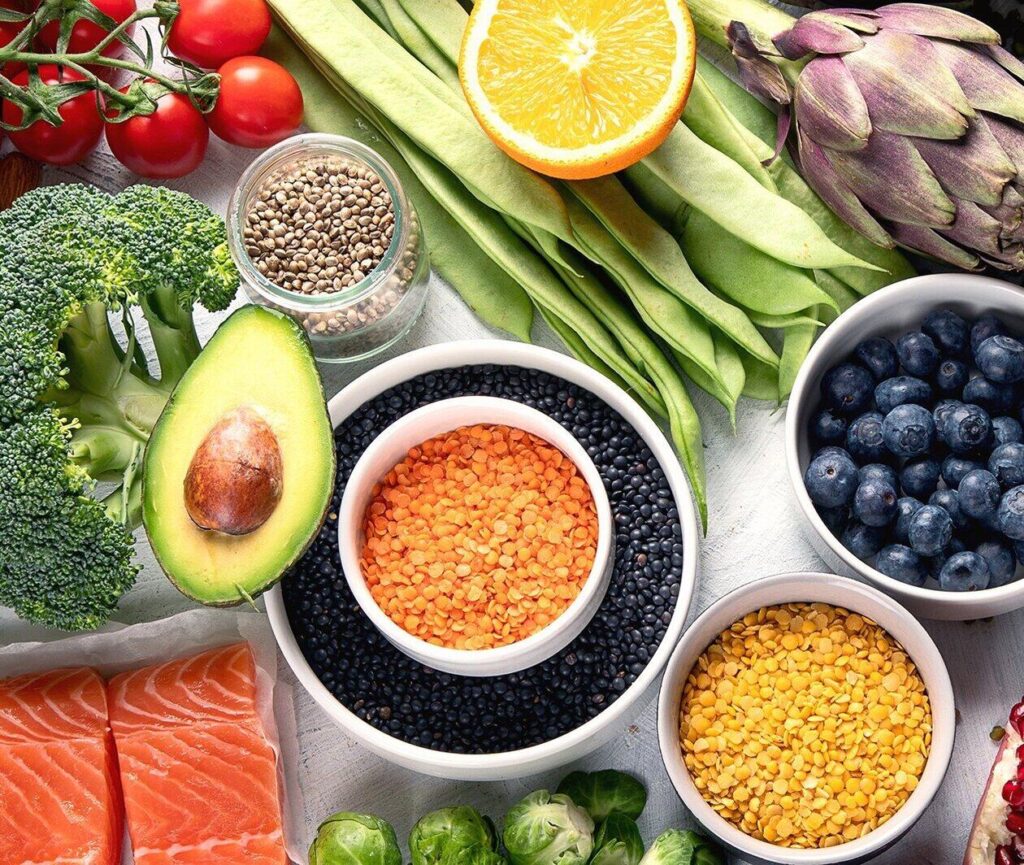
Food and Mood: Improving Mental Health Through Diet and Nutrition explores how everyday dietary choices and nutrition influence mental and brain health, including mechanisms such as inflammation and the gut microbiome.
Through concise, research-oriented modules and practical activities learners examine dietary assessment and strategies for change. By course end participants should be able to explain diet–mental health links and apply basic, evidence-informed steps to support mood and cognitive wellbeing.
At a Glance
Food and Mood: Improving Mental Health Through Diet and Nutrition is an introductory online course offered by Deakin University’s Food & Mood Centre and delivered through FutureLearn.
It introduces research linking diet and mental and brain health and covers mechanisms, dietary assessment, and practical strategies for implementing dietary change.
| Level | Beginner |
| Rating | 4.6 out of 5 |
| Duration | 3+ weeks |
| Languages | English |
| Certificate | Certificate of Achievement (paid upgrade available) |
| Access | Free access to course steps for the course duration plus 14 days; upgrade available for extended access and certificate |
| Course includes |
|
| Price | Free to join with optional paid upgrade for certificate and extended access |
What This Course Teaches
This course frames outcomes as measurable competencies that combine evidence appraisal with practical planning for diet-related mental health interventions.
Learners complete the course able to describe diet–mental health links, explain the role of nutrition for brain and mood, and implement basic, evidence-informed strategies for dietary change.
How the Course Is Structured
The course is organised into three weekly modules with a sequence of short steps and activities, totaling twelve course steps across the curriculum.
Overall it is delivered as a 3-week introductory program designed to be completed sequentially through videos, readings, and practical activities.
Curriculum overview
01Diet and nutrition in mental and brain health — Welcome to Food and Mood▾
Meet your teaching team and learning community before self-evaluating what you already know about diet, nutrition, brain and mental health.
02Defining diet and mental health▾
Understand what constitutes and determines diet, nutrition and mental health.
03Why we eat what we eat▾
Investigate the factors that influence what we eat and the guidelines and assessments used to define and understand diet.
04Weekly wrap up▾
Let’s look at what we’ve learned about food and mood this week.
05Understanding the mechanisms — Welcome to Week 2▾
Investigate common diet facts and fictions and how they affect mental health.
06Mechanisms of action▾
Discover how inflammation and gut microbiota can affect mental and brain health.
07Dietary intake and gut health: what is the evidence?▾
Explore whether food or supplements are better for a healthy gut, and how to make an informative choice.
08Weekly wrap up▾
Let’s look at what we’ve learned about food and mood this week.
09Changing the diet to manage mental health — Welcome to Week 3▾
Explore the latest evidence that supports mental health improvements using diet.
10Modified Mediterranean diet for mental and brain health▾
Discover the type of diet that has been proven to improve mental health.
11Planning and implementing dietary change▾
Take the steps to create lasting, positive and meaningful change to diet.
12Course wrap up▾
Let’s look at what we’ve learned about food and mood this week and say goodbye.
Audience & Requirements
This course is aimed at anyone with an interest in how diet affects mental and brain health, including people with lived experience of mental health issues and practitioners who work with them.
It is appropriate for healthcare professionals, students in related fields, and community educators seeking an evidence-informed, introductory overview rather than advanced clinical training.
- Individuals with lived experience of mental health concerns seeking evidence-based dietary approaches.
- Healthcare practitioners and allied health staff wanting a foundational overview of diet–mental health links.
- Students or early-career professionals in nutrition, psychology, or public health building topical knowledge.
- Community health workers and wellbeing educators planning practical dietary support strategies.
- No special prerequisites or clinical qualifications required.
- Proficiency in English to engage with course materials and discussions.
- Willingness to reflect on personal diet and participate in practical activities and peer discussion.
Final Verdict
This course is worth it for learners seeking a concise, research-aligned introduction to how diet influences mental and brain health — particularly non-specialists, community health workers, and practitioners who want practical, evidence-informed strategies rather than advanced clinical training.
Given its positive learner rating, accessible free-enrolment model with an optional paid certificate, and the inclusion of practical activities and community discussion, it represents a low-risk, high-value option for anyone wanting to add diet-focused mental health knowledge to their toolkit.