
Working with Translation: Theory and Practice
Learn practical translation theory and applied skills
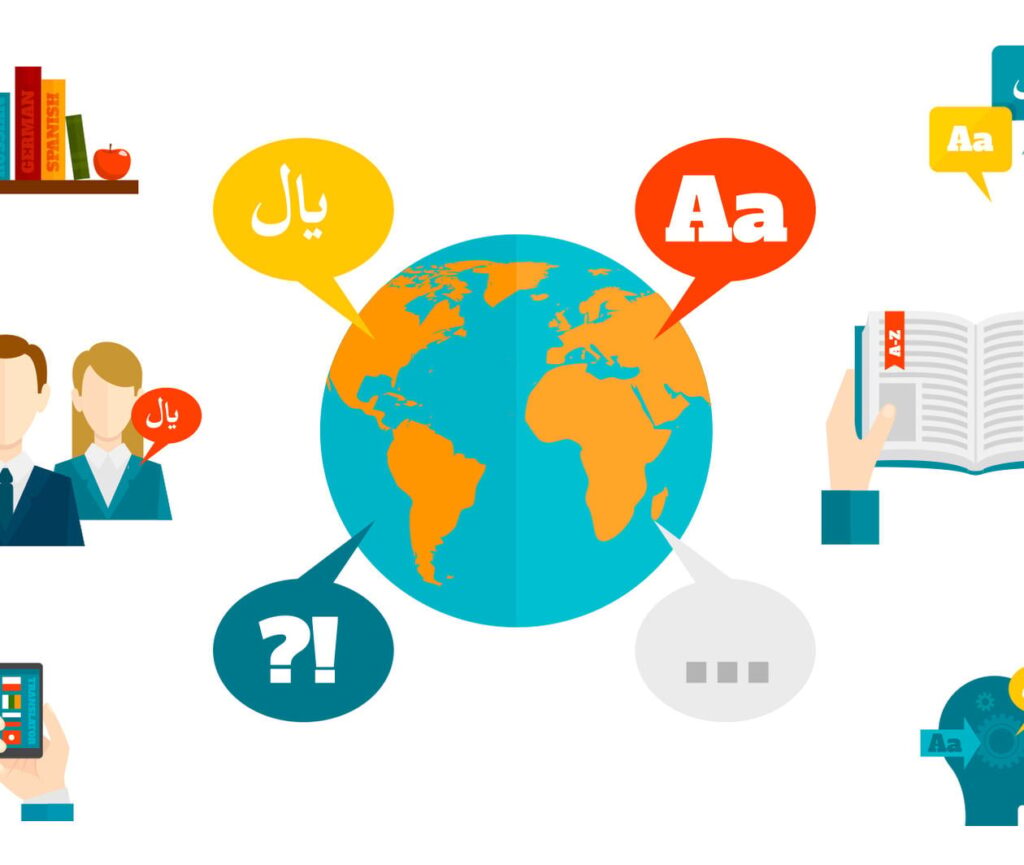
Working with Translation: Theory and Practice is an online course led by specialists from Cardiff University with contributions from the University of Namibia, introducing both conceptual and applied approaches to translation in multilingual settings. It combines theory and practice to explore how translation operates across contexts such as healthcare, the justice system, media and creative industries.
Participants work through concise videos, articles and practical activities that cover definitions and metaphors, varieties of translation, professional ethics, commissioning and notions of quality, all presented with opportunities for peer discussion. The course emphasises transferable competencies—designing a translator brief, reflecting on translator and interpreter roles, and evaluating translation quality in real-world scenarios.
At a Glance
Working with Translation: Theory and Practice is an online course led by specialists from Cardiff University with contributions from the University of Namibia, introducing practical and theoretical approaches to translation in a multilingual world. It surveys definitions and varieties of translation, the roles and ethics of translators, and applies translation thinking to contexts such as healthcare, law, media and literature.
| Level | Beginner |
| Rating | 4.8 out of 5 |
| Duration | 2+ weeks |
| Languages | English |
| Certificate | Certificate of Achievement available on upgrade (requires course completion) |
| Access | Free access to the course during the run; upgrade for ongoing access and certificate |
| Course includes |
|
| Price | Free to join with an optional paid upgrade for certificate and extended access |
What This Course Teaches
The course frames learning outcomes as demonstrable competencies that learners can perform after completing activities and assessments.
By the end of the course, learners will be able to explain core translation concepts, collaborate on real-world examples, describe professional roles, analyze practice contexts, design a translator brief, and evaluate notions of quality.
How the Course Is Structured
The course is delivered as a sequence of week-based modules broken into bite-sized steps that combine videos, articles, audio and practical activities, with social learning through comments and peer interaction.
The overall structure is a short, paced series totaling roughly 2+ weeks of study time, organised into weekly modules and discrete learning steps rather than as a set of standalone long lectures.
Audience & Requirements
The course targets a broad audience with an interest in language, translation and multilingual communication, from curious learners to professionals who encounter translation in their work. It is suitable for students, aspiring translators, and practitioners in sectors such as healthcare, law, media and creative industries seeking foundational, practice-oriented insight.
- Language students and enthusiasts exploring translation theory and practice.
- Aspiring translators and interpreters seeking an introductory professional overview.
- Professionals in healthcare, justice, media or localisation who work with multilingual contexts.
- Creative practitioners (writers, localisers, game and media translators) wanting contextual grounding.
- No special prerequisites or prior translation qualifications.
- Working proficiency in English, since course material and discussion are conducted in English.
- Willingness to engage in peer discussion and complete practical activities.
Final Verdict
Working with Translation: Theory and Practice is a worthwhile, low-risk introduction for learners curious about translation and for practitioners who need practical, context-aware grounding. Its research-led approach, practical activities and social learning features make it a strong choice for anyone seeking a concise, applied foundation in translation studies.
The course is especially attractive because it is free to join with an optional upgrade for a certificate and extended access, which keeps the financial barrier low while preserving a path to formal recognition. Consider enrolling to sample the learning experience and upgrade only if you want a verified certificate or ongoing access to materials.




 LinkedIn Learning