
Cinematography Basics: Understanding Filmmaking Style
Create cinematic shot lists and shape mood in short films
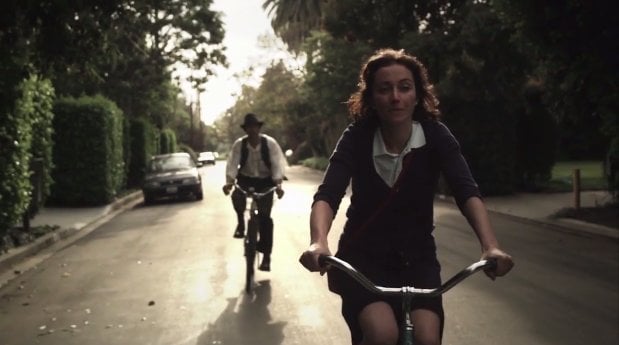
This compact class led by cinematographer Zak Mulligan introduces the essential principles of cinematography and filmmaking style, centering on the visual language filmmakers use to shape mood, tone, and narrative. It focuses on practical elements—framing, lens choice, lighting, and shot lists—that help you turn artistic intent into concrete, producible plans.
The format pairs scene analysis with a hands-on short-project exercise so learners practice creating a shot list and applying cinematic techniques to real scenes. Ideal for late-beginner filmmakers and creative hobbyists, the course is designed to deliver immediately usable skills for improving production value on short films and video projects.
At a Glance
Cinematography Basics: Understanding Filmmaking Style is a concise online class that introduces the visual tools filmmakers use to shape mood, tone, and story through camera choices, framed by practical examples. The course is taught by cinematographer Zak Mulligan and focuses on shot listing, visual language, and a scene commentary to help learners translate artistic choices into concrete shot plans.
| Level | Beginner |
| Rating | 4.6 out of 5 |
| Duration | 20+ minutes |
| Languages | English |
| Learners | 10K+ students |
| Certificate | No certificate |
| Access | Access for as long as your Skillshare subscription is active |
| Course includes |
|
| Price | Subscription-based; included with Skillshare membership |
What This Course Teaches
The course frames outcomes as concrete, measurable competencies you can practice and evaluate: explaining visual choices, producing shot lists, and applying cinematic tactics to short scenes. Students leave with skills to create organized shot plans, analyze scene-level cinematography, and implement mood-and-tone techniques in their own work.
How the Course Is Structured
The class is organized into 7 lessons that progress from an introduction to a narrated scene commentary, and the full sequence runs about 28 minutes total.
The structure is compact and linear, intended as a short practical overview rather than a multi-week program.
Curriculum overview
01Introduction▾
Sets expectations, introduces the instructor, and frames the class goals and approach.
02Today’s Scene▾
Walks through a specific scene to show how visual choices come together in practice.
03Inspiration▾
Surveys creative references and sources that inform stylistic decisions for cinematography.
04Cinema’s “Visual Language” Toolkit▾
Defines core visual tools—framing, lens choice, lighting, and movement—and their storytelling effects.
05Making a Shot List▾
Offers tactical guidance and a practical template for creating organized shot lists before production.
06The Scene: Breakdown with Shot List▾
Applies the shot list to deconstruct a filmed scene and demonstrate planning-to-screen correspondence.
07The Scene: Commentary▾
Provides an exclusive narrated commentary of a real scene (from Obselidia) explaining specific cinematographic choices.
Audience & Requirements
The class targets late-beginner filmmakers and curious creatives who want a practical introduction to cinematography that they can apply to short scenes and projects. It is aimed at learners who want to improve production value through shot planning and visual decision-making without needing advanced technical training.
- Late-beginner filmmakers making short films or scenes.
- Creative hobbyists and photographers seeking cinematic techniques.
- Film students needing a focused primer on visual language.
- Short-form creators wanting clearer shot planning and production choices.
- No special prerequisites or prior professional experience required.
- Optional: a camera or smartphone if you plan to shoot the practice project.
- Basic familiarity with common filmmaking terms is helpful but not mandatory.
Final Verdict
Given its strong rating and broad learner base, this compact class is a worthwhile primer for late-beginner filmmakers, creative hobbyists, and short-form creators who want actionable, production-ready guidance on visual language and shot planning. Recommended for learners seeking a fast, practical introduction they can apply immediately to short scenes and projects.
Because the course is included with a subscription and does not deliver a formal certificate, it functions best as a skills-focused, low-commitment complement to longer training or hands-on practice. Not a standalone credential for hiring, but high value as an accessible way to improve cinematic choices and shot-listing technique.


 LinkedIn Learning