Chinese Sign Language and Culture
Learn basic Chinese Sign Language and Deaf cultural context
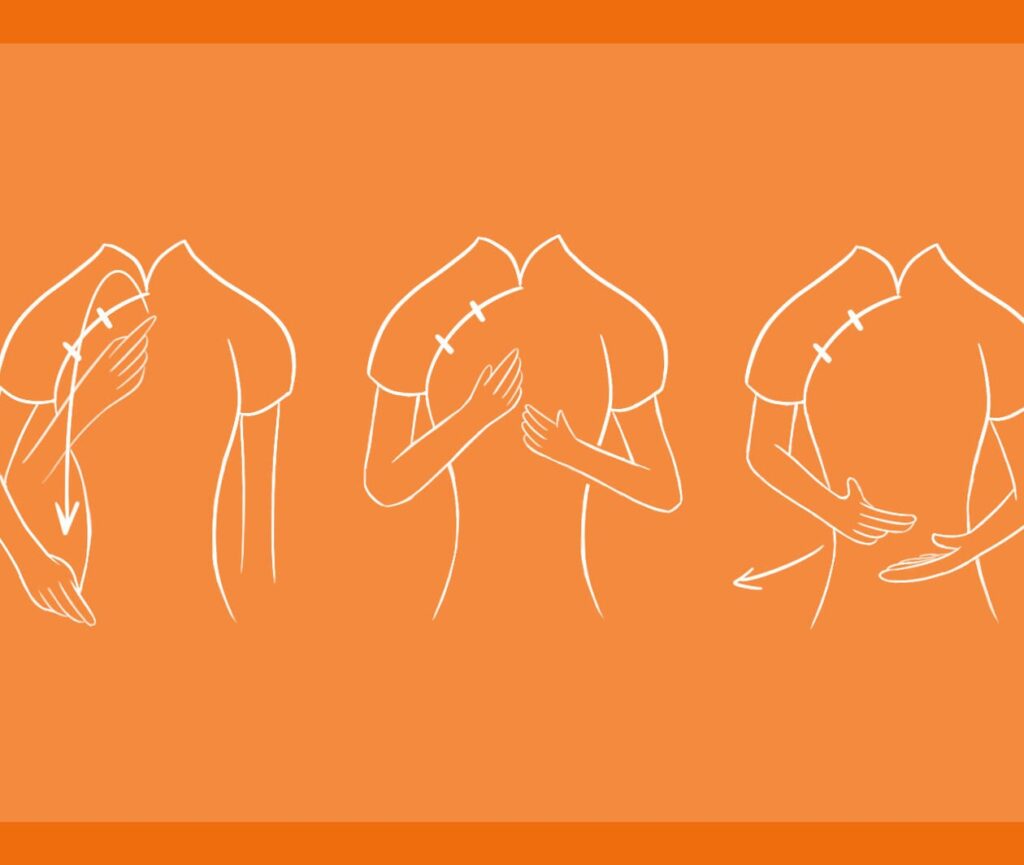
Chinese Sign Language and Culture is an introductory online course from Shanghai International Studies University that teaches foundational Chinese Sign Language (CSL) vocabulary, basic grammar, and the cultural history of China’s Deaf community. The course pairs practical signing lessons with contextual material so learners build both communicative skill and cultural awareness.
Through video demonstrations, guided practice, and peer discussion, participants work on sign formation, everyday conversational phrases, and the social norms that shape visual communication. By the end of the course learners should be able to use basic CSL in common interactions and explain key connections between the language and Deaf cultural identity.
At a Glance
Chinese Sign Language and Culture is an introductory online course from Shanghai International Studies University that teaches foundational CSL vocabulary, grammar, and cultural context for the Chinese Deaf community. The course uses video lessons and community discussion to connect basic signing skills with history, cultural practices, and cross-cultural comparisons.
| Level | Beginner |
| Rating | 4.6 out of 5 |
| Duration | 4+ weeks |
| Languages | English |
| Certificate | CPD-accredited certificate available |
| Access | Free access to course content during the course with an option to upgrade for extended access and certificate |
| Course includes |
|
| Price | Free to access core content; optional paid upgrade for certificate and extended access |
What This Course Teaches
This course frames outcomes as observable competencies tied to communication and cultural understanding in Chinese Sign Language. Learners finish able to use basic CSL in everyday situations and to explain how the language and Deaf culture interact and evolve.
How the Course Is Structured
The course is organised as ten lecture units plus a final exam, delivered across five weekly modules that pair cultural context with practical CSL lessons. The syllabus lists ten focused lectures (covering culture, daily-life signing, and sign formation) followed by a final translation-based assessment.
Curriculum overview
01 Lecture 1: Definition of Deaf Culture & CSL Lesson of Self-introduction ▾
Introduces the definition of Deaf culture and teaches basic self-introduction signs in CSL.
02 Lecture 2: Brief History of CSL Culture & CSL Lesson of Different Kinds of Sign Language ▾
Outlines the historical development of CSL and compares it with other sign languages used worldwide.
03 Lecture 3: The significance of CSL Culture & CSL Lesson of Family ▾
Discusses the cultural significance of CSL and teaches vocabulary for family relationships.
04 Lecture 4: CSL Culture-CSL Corner & CSL Lesson of Occupation ▾
Explains the role of CSL Corners in community life and covers signs for various occupations.
05 Lecture 5: Sign Language Culture in Romantic Relationships & CSL Lesson of Daily Routine ▾
Explores how the Deaf community discusses romantic relationships and teaches signs for daily routines.
06 Lecture 6: Sign Language Culture in Daily Life – Clothing & CSL Lesson of Hobbies ▾
Covers the origins of clothing-related signs and teaches vocabulary for hobbies and interests.
07 Lecture 7: Sign Language Culture in Daily Life – Food & CSL Lesson of Transportation ▾
Relates food culture to sign language and teaches signs for types of transportation.
08 Lecture 8: Sign Language Culture in Daily Life – Housing & CSL Lesson of Communication Methods ▾
Explains how different buildings and housing concepts are signed and how Deaf and hearing people communicate.
09 Lecture 9: Sign Language Culture in Daily Life – Travel & CSL Lesson of Deaf Gatherings ▾
Discusses CSL’s evolution alongside travel and covers vocabulary and norms for Deaf social gatherings.
10 Lecture 10: Money – What Makes the World Go Round & CSL Lesson of Café Vocabulary ▾
Examines how social changes shaped money-related signs and teaches useful café-related vocabulary.
11 Final Exam ▾
A cumulative assessment intended to measure learners’ comprehension and translation skills in CSL.
- 45-question final test with video-based translation items
Audience & Requirements
The course is intended for English-speaking beginners who want an introduction to Chinese Sign Language alongside contextual learning about the Chinese Deaf community. It targets learners seeking practical conversational skills plus cultural literacy rather than professional interpreter certification.
- Language learners exploring a first sign language (CSL)
- Educators and community workers seeking cultural competence with Deaf communities
- Students of linguistics, anthropology, or cultural studies interested in sign-language contexts
- Volunteers or professionals who need basic CSL for everyday interactions
- Basic English proficiency (course language of instruction)
- No prior CSL experience required
- Willingness to practise visually through video lessons and peer discussion
- Ability to view embedded video translation items (YouTube) used in assessments
Final Verdict
This course is a solid, low-risk introduction to Chinese Sign Language and the cultural context of China’s Deaf community, suitable for learners who want practical conversational ability alongside cultural knowledge. Given its positive reception, university backing, and the option to obtain an accredited certificate, it represents good value for anyone seeking foundational CSL skills without a large upfront cost.
Recommended for beginners, educators, community or social-service workers, and students of language or culture who need applied signing skills and contextual understanding; it is not a substitute for professional interpreter training or advanced linguistic specialisation.