
Developing an Artificial Intelligence Strategy for Your Organization
Plan and prioritize AI initiatives for your organization
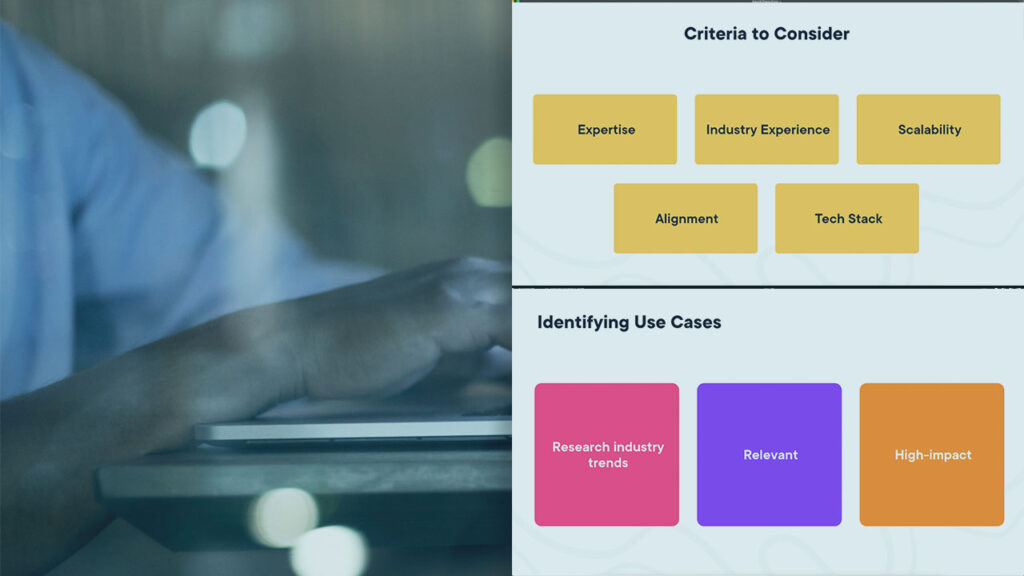
This Pluralsight course, led by Jamie Maguire, explains how to develop an AI strategy that aligns with organizational goals and constraints. It emphasizes identifying high‑value use cases, matching those needs to suitable AI technologies, and sequencing work into pilots that de‑risk broader adoption. Learners gain a practical framework to prioritize initiatives and plan measurable pilots and a product roadmap.
The material is pragmatic and non‑technical in focus, aimed at product leaders, technical architects, and business strategists who must evaluate AI opportunities and make vendor or platform decisions. Expect clear guidance for turning strategic goals into staged, outcome‑oriented AI adoption rather than hands‑on model development.
At a Glance
Developing an Artificial Intelligence Strategy for Your Organization teaches how to prepare and shape an AI strategy for a business or organization. Jamie Maguire leads the course and guides learners through identifying relevant use cases, selecting suitable AI technologies, and planning pilots and product roadmaps for organizational adoption.
| Level | Intermediate |
| Rating | 4.6 out of 5 |
| Duration | 1+ hours |
| Languages | English |
| Certificate | Certificate of completion |
| Access | Access for as long as your subscription is active |
| Course includes |
|
| Price | Subscription-based (monthly or annual plans); free trial available |
What This Course Teaches
The course frames outcomes as actionable competencies you can apply within an organization to move from idea to initial implementation. Learners complete the course able to formulate strategy, prioritize use cases, and plan pilots and roadmaps that align AI work with business objectives.
How the Course Is Structured
The course is delivered as a compact set of short, clip-based lessons organized for quick consumption and practical reference. It runs roughly one hour in total and is presented as a brief professional briefing made up of a course overview plus several short topical clips.
Curriculum overview
01 Course Overview ▾
Introduces the course scope and explains how to approach forming an AI strategy for an organization.
Audience & Requirements
This course is designed for professionals who must evaluate and plan AI initiatives rather than build models themselves. Ideal learners include product and business leaders, technical architects, and consultants who need to translate business needs into an AI adoption roadmap.
- Product managers and owners evaluating AI-driven features.
- Technical leads and architects guiding platform and vendor choices.
- Business strategists and transformation leads planning AI adoption.
- Consultants advising organizations on AI use cases and pilots.
- Familiarity with business strategy or product lifecycle concepts.
- Basic understanding of AI terminology and common application patterns.
- No special software, coding, or hands-on engineering tools are required.
Note: The course is brief yet labeled Intermediate, so expect a high-level, practical briefing focused on planning and decision-making rather than in-depth technical training.
Final Verdict
This concise, practitioner-focused course provides a practical, fast path to framing and planning AI work inside an organization. Given its favorable rating, short format, and availability through a subscription with a certificate, it represents good value for non‑technical decision-makers who need an actionable roadmap rather than deep technical training.
Recommend this course for product leaders, architects, and consultants who must evaluate and prioritize AI initiatives and organize pilots; it is less suitable for learners seeking hands-on model building or extensive technical depth.


 FutureLearn

 Codecademy
  DataCamp