
Myths of the Mongol Empire
Cut through myths to understand the Mongol Empire
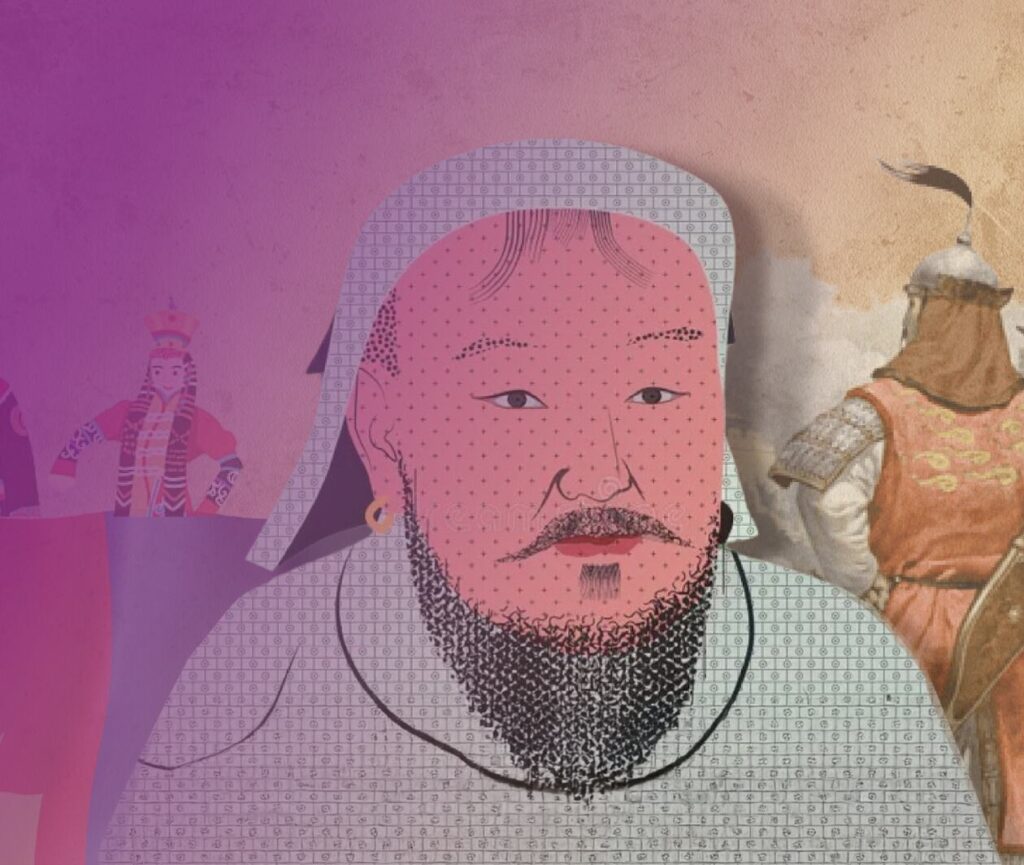
This CPD‑accredited course from National Tsing Hua University examines common misconceptions surrounding the Mongol Empire and Genghis Khan, guiding learners to separate popular myth from historical evidence. It foregrounds the social and political realities of nomadic Inner Asian societies and situates Mongol expansion and governance within wider Eurasian and global contexts.
The curriculum combines focused modules, curated readings, short videos and guided assessments to build measurable skills in historiography, source critique and comparative analysis of nomadic and sedentary cultures, with discussion-based activities to apply those skills in interpreting the Mongol world.
At a Glance
Myths of the Mongol Empire is an online course taught by instructors from National Tsing Hua University that examines common misconceptions about Genghis Khan and the broader Mongol world.
It covers early Mongol societies, leadership and governance under the House of Chinggis, and the empire’s interactions with other civilizations, using readings, media, and guided assessments to develop critical historical analysis.
| Level | Beginner |
| Rating | 4.2 out of 5 |
| Duration | 2+ weeks |
| Languages | English |
| Certificate |
|
| Access | Free access to core content for a limited enrollment period; upgrade or subscription required for extended access and certificate |
| Course includes |
|
| Price | Free to join with optional paid upgrade for certificate and extended access |
What This Course Teaches
By the end of this course, learners will develop measurable competencies in critically evaluating narratives about the Mongol Empire and situating those narratives within broader historical contexts. These competencies are framed so learners can critique sources, compare cultural systems, analyze historiographical bias, and describe key thirteenth- and fourteenth-century events with evidence-based reasoning.
How the Course Is Structured
The course is organised as a three-week, weekly module sequence made up of 11 discrete sections that follow the advertised syllabus from introductory context through thematic and comparative units. Each week groups related topics (foundations and myths; the House of Chinggis; Mongols in a global context) so learners progress from background and close readings toward comparative and reflective work over the full three-week span.
Curriculum overview
01Introduction▾
Offering background information to Mongolia and giving a preview of what’s to come.
02The Mongol empire and the myth of the Mongol horde▾
Explore the historical reality of the empire alongside the myths surrounding it.
03Mongol: Warfare vs. governance▾
Examine what Mongol military practices and governing arrangements can tell us about their society and statecraft.
04Popular Culture about the Mongols▾
Consider how media representations have shaped modern perceptions of the Mongols.
05Chinggis Khan and the legacy of Mongol power▾
A focused look at Chinggis Khan’s rise and the political legacy of the House of Chinggis.
06Gender arrangements of the Mongol empire▾
Discuss gender roles and social arrangements within Mongol society and leadership structures.
07Assessment of the Mongol empire▾
A reflective assessment designed for learners to articulate and test their own interpretations of the empire.
- Reflective assessment activity
08Mongolia in comparison▾
Compare aspects of historical Mongolian life with learners’ own cultural contexts to highlight continuities and differences.
09Prester John▾
Investigate the legend of Prester John and its significance in Mongol-era cross-cultural contact and diplomacy.
10Christians and the Mongol world empire▾
Explore the presence and roles of Christian communities within Mongol-ruled regions and their interactions with the empire.
11The Mongols and the world▾
Synthesize the course material to assess broader lessons and the Mongol Empire’s long-term impact on world history.
Audience & Requirements
This course is aimed at learners curious about Mongolian history and the Mongol Empire, including independent enthusiasts and students seeking a grounded, critical perspective.
It is also appropriate for educators and researchers who want a concise, CPD-accredited overview to support teaching or professional development.
- History enthusiasts and lifelong learners exploring Eurasian history.
- Undergraduate students or early-career researchers in history and Asian studies.
- Educators and museum professionals seeking accessible, evidence-based teaching material.
- Professionals pursuing CPD credits in historical topics.
- No special prerequisites
- Competence in English sufficient to read academic texts and participate in discussions
- Willingness to engage in short reflective writing and forum discussion
Final Verdict
This course is a worthwhile, low‑risk option for learners seeking a concise, evidence-focused introduction to the Mongol Empire. With a strong platform rating, an optional CPD‑accredited certificate, and a free-to-join model with a paid upgrade for certification and extended access, it provides clear value for independent enthusiasts, educators, and professionals pursuing short-form professional development.
Opt for this course when you want structured, source-aware critical reading and comparative perspectives rather than deep specialist training; learners planning advanced archival research or language-based study should treat it as a reliable starting point to be supplemented with more specialised resources.