Planet Earth: Understanding and Protecting our Environment
Learn Earth systems and practical environmental management
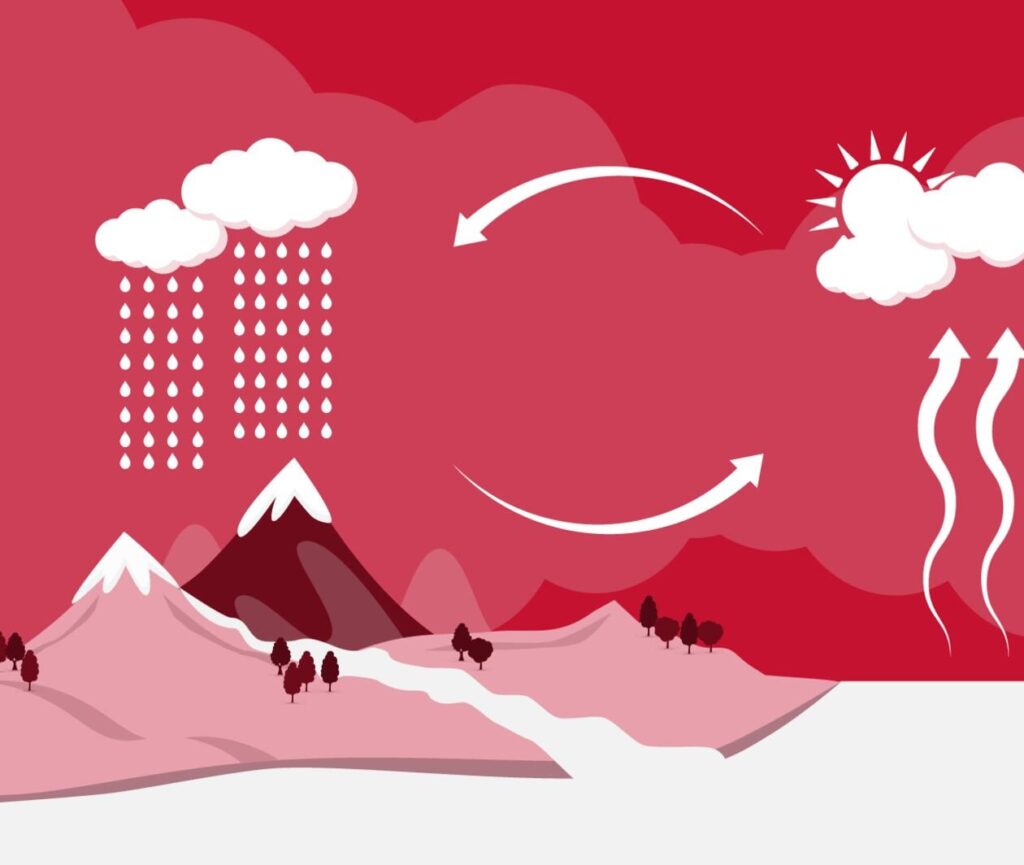
This concise online course from the University of Leeds guides learners through Earth’s interconnected systems — the hydrosphere, biosphere, and geosphere — and examines how human activity and climate change alter water cycles, soils, ecosystems and ice masses. Through case studies on flood management, coastal protection, glacier recession and invasive species, learners see how scientists monitor change and propose practical responses.
The curriculum blends short videos, readings and practical activities to emphasise environmental monitoring, critical zone observatories and applied management techniques, with opportunities to practice interpreting environmental data. Learners can expect to build measurable skills in assessing human impacts, comparing protection strategies and exploring academic or community-focused pathways in environmental science and conservation.
At a Glance
Planet Earth: Understanding and Protecting our Environment is an online introductory course delivered by educators at the University of Leeds that examines how Earth’s major systems interact and respond to human pressures.
The course surveys the hydrosphere, biosphere, and geosphere and highlights practical responses such as flood management, coastal protection, and monitoring invasive species.
| Level | Beginner |
| Rating | 4.5 out of 5 |
| Duration | 2 weeks |
| Languages | English |
| Certificate | Certificate available on completion (upgrade may be required) |
| Access | Free access to course materials for the course duration; additional access with upgrade |
| Course includes |
|
| Price | Free to access with optional paid certificate/upgrade |
What This Course Teaches
Outcomes are framed as measurable competencies learners can demonstrate after completing the course.
By the end of the course you will be able to explain Earth’s major systems, investigate human impacts on those systems, compare approaches to environmental protection, and explore related academic and employment pathways.
How the Course Is Structured
The course is organised into two weekly blocks comprising ten modular activities that mix short videos, articles and practical tasks.
Overall the syllabus contains ten modules delivered across a two-week schedule.
Curriculum overview
01 Welcome to the course ▾
Introduces the educators, invites learners to meet peers and plan their learning journey.
02 The changing hydrosphere ▾
Explores the water cycle and how human activity and climate change affect water quality, aquatic life and agriculture.
03 The changing biosphere ▾
Investigates the impacts of human activity on ecosystems and how research informs ways to reduce harm to biodiversity.
04 The changing geosphere ▾
Introduces rocks, soils and the solid Earth and examines evidence of human-driven changes such as erosion and land use impacts.
05 Summary ▾
A reflective wrap-up of week one with opportunities to review key terms using the course glossary.
06 About Week 2 ▾
Outlines the focus for week two, which examines specific environmental challenges and practitioner responses.
07 Managing changes to the hydrosphere ▾
Looks at impacts on rivers and coasts from a changing hydrosphere and reviews techniques to reduce climate-driven effects.
08 Biodiversity: Ecosystems out of balance ▾
Examines the role of invasive species in altering ecosystems and the contribution citizen scientists can make to monitoring change.
09 Understanding the Earth’s systems: The role of critical zone observatories ▾
Explores how distributed observatory sites are used to monitor and interpret changes across the Earth’s surface environment.
10 Summary ▾
Final reflections including alumni perspectives and a chance to consolidate and test what you have learned across the course.
- Opportunity to test understanding
Audience & Requirements
Planet Earth is aimed at learners seeking a grounded introduction to Earth systems and human impacts, including prospective university applicants, educators, and general-interest learners who want a structured overview of environmental science.
The syllabus and stated audience show the course is suitable for beginners and for those preparing for further study or classroom use.
- Prospective undergraduates preparing for physical geography or environmental science study.
- High-school and college teachers seeking materials to enhance classroom teaching.
- Learners interested in how human activity and climate change affect Earth systems.
- Citizen scientists and community environmental monitors wanting practical monitoring approaches.
- No special prerequisites or prior subject knowledge required.
- Comfort engaging with online discussions and completing short practical activities.
- Proficiency in English to follow course materials.
Final Verdict
Overall, Planet Earth offers a concise, research-informed introduction to Earth systems that is straightforward to try because of the platform’s open access and positive learner feedback. Given its strong user rating and active global classroom, the course is a low-risk, evidence-based option for learners seeking a practical grounding in environmental science.
The free access plus an optional paid certificate makes it especially good for prospective students, educators, and community-minded learners who want credible content without a large upfront cost. Consider upgrading only if you require a verified certificate for applications or formal credentials.