
Electronics Fundamentals
Learn to analyze and prototype basic electronic circuits.
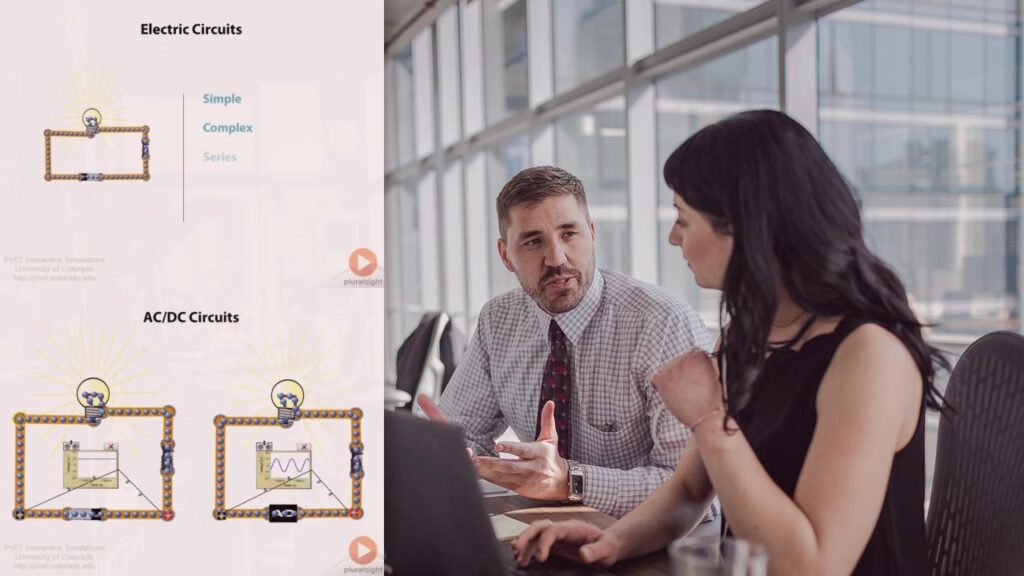
Electronics Fundamentals introduces core electrical concepts and practical skills for learners who want a grounded entry into circuit theory and hands-on build techniques. The course covers DC and AC circuit principles, common discrete and integrated components, prototyping methods, and an introductory look at PCB layout and basic circuit design workflows.
Learners who complete the course should be able to analyze simple circuits, identify and explain component functions, and build basic prototypes using breadboards and common parts. It serves as a practical primer that prepares hobbyists, students, and technicians to transition into project-based electronics and more advanced study.
At a Glance
Electronics Fundamentals is an introductory course on electronics that walks through basic theory, DC and AC circuits, common electronic components, circuit design, and practical construction methods. It is taught by Gordon Maretzki and is designed to give learners a compact, practical primer that prepares them for further study in electronics.
| Level | Intermediate |
| Rating | 4.5 out of 5 |
| Duration | 1+ hours |
| Languages | English |
| Certificate | Certificate of completion |
| Access | Access while your subscription is active |
| Course includes |
|
| Price | Subscription-based (monthly or annual plans); free trial available |
What This Course Teaches
The course frames learning outcomes as measurable competencies that emphasize applied circuit knowledge, component literacy, and basic design workflows.
Students will be able to analyze DC and AC circuits, identify and explain common electronic components, prototype simple circuits, and apply introductory PCB design practices.
How the Course Is Structured
The course is organized as a compact sequence of short, video-based modules that move from foundational theory to practical prototyping and introductory PCB topics.
The full curriculum runs roughly two hours in total and is broken into multiple short lessons to make it suitable for quick, focused study.
Audience & Requirements
The course targets learners who want a practical, entry-focused introduction to electronics rather than deep theoretical study. It is suitable for hobbyists, technicians seeking a refresher, and students or makers who need a compact primer before tackling hands-on projects.
- Hobbyists and makers learning to prototype simple circuits.
- Technicians or electricians seeking a concise electronics refresher.
- Engineering or technical students preparing for more advanced coursework.
- DIY product designers who want basic PCB and prototyping literacy.
- No formal prerequisites; course is presented as a primer for newcomers.
- Comfort with basic algebra and problem-solving for circuit calculations.
- Optional: basic prototyping tools (breadboard, jumper wires, discrete components) and a multimeter for hands-on practice.
- Optional: access to simple PCB software to follow the introductory PCB segments.
Note: The platform lists the course level as Intermediate, but the syllabus and stated audience present it as an introductory primer; beginners should still find the material accessible, though some basic math familiarity is helpful.
Final Verdict
Electronics Fundamentals delivers a concise, application-oriented introduction suitable for hobbyists, technicians, and students looking for a practical primer before deeper study. Given its strong platform rating and inclusion in a subscription library with a completion certificate, it represents an efficient, low-friction way to gain core circuit skills.
It is best used as an early step in a broader learning plan rather than a standalone advanced training program; learners seeking rigorous theoretical depth or extensive hands-on labs should plan to supplement this course with longer, project-based resources.


 Codecademy
 Skillshare
 LinkedIn Learning