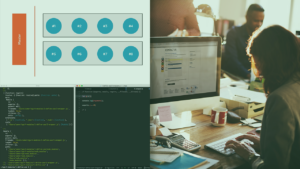
Learn Intermediate CSS
Level up your CSS for responsive, accessible, production-ready layouts

Learn Intermediate CSS is a project‑centered Codecademy course led by Jiwon Shin that advances foundational styling skills into production‑ready techniques for web development. It focuses on modern CSS features and practical workflows so learners can translate design comps into responsive, accessible interfaces.
The curriculum emphasizes applying Flexbox and Grid for flexible layouts, implementing transitions and CSS variables for polished interactions, and using responsive design and accessibility best practices through hands‑on projects and quizzes. Students complete guided projects and receive AI‑assisted feedback to reinforce learning and build portfolio pieces.
At a Glance
Learn Intermediate CSS is a Codecademy course taught by the platform’s curriculum team and led by Jiwon Shin that focuses on practical CSS techniques for building polished, responsive web interfaces. It covers Flexbox, Grid, transitions, responsive design, CSS variables, accessibility, and browser compatibility through guided lessons, projects, and quizzes focused on hands-on practice.
| Level | Intermediate |
| Rating | 4.4 out of 5 |
| Duration | 10+ hours |
| Languages | English |
| Learners | 50K+ learners |
| Certificate | Certificate of completion (requires Plus or Pro subscription) |
| Access | Free access to course content; additional features and certificate require an active subscription |
| Course includes |
|
| Price | Free to access course content; certificate and extras require a subscription (Plus/Pro) |
What This Course Teaches
The course frames outcomes as practical, measurable competencies that prepare learners to style production-ready interfaces with modern CSS techniques.
By completion, learners implement smooth transitions, build flexible layouts with Flexbox and Grid, apply responsive design methods, and use CSS approaches that improve accessibility and cross‑browser consistency.
How the Course Is Structured
The course is organized as 10 lessons grouped into 7 topical modules that pair compact concept lessons with hands‑on practice and assessment items.
The full curriculum represents about 10 hours of estimated study time in total, delivered through modules on layout, animation, responsive techniques, variables, accessibility, and browser compatibility.
Curriculum overview
01Layout with Flexbox▾
Introduces Flexbox concepts and properties for creating flexible, single‑dimensional page layouts that adapt to available space.
02Grid▾
Covers CSS Grid layout principles and positioning to construct two‑dimensional, responsive grid-based layouts.
03CSS – Transitions▾
Shows how to implement CSS transitions and timing functions to add smooth animated feedback to interface elements.
04Learn Responsive Design▾
Introduces responsive techniques such as relative sizing units and media queries to adapt designs across device sizes.
05Variables and Functions▾
Teaches CSS custom properties and functional CSS values to create more organized and reusable style systems.
06Accessibility▾
Focuses on CSS patterns and practices that improve accessibility and compatibility with assistive technologies.
07Browser Compatibility▾
Discusses cross‑browser differences and techniques to produce consistent layouts and behaviors across browsers.
Audience & Requirements
This course is aimed at learners who already have a working familiarity with HTML and basic CSS and want to advance to production‑quality layouts, animations, and accessible styling. Ideal students include front‑end developers, web designers, and learners building a portfolio of polished web interfaces.
- Front‑end developers improving layout and visual polish skills.
- Web designers who need responsive, production‑ready CSS techniques.
- Learners building portfolio projects to demonstrate modern CSS competence.
- Engineers focused on improving cross‑browser consistency and accessibility.
- Prior completion of Learn CSS and Learn HTML (recommended prerequisites).
- Working familiarity with basic HTML structure and CSS selectors.
- A code editor (Visual Studio Code recommended) for the hands‑on projects.
Final Verdict
Given its strong rating and wide learner adoption, this course is a practical, efficient next step for anyone who already knows basic HTML and wants to produce polished, production‑quality CSS. It delivers measurable, portfolio‑ready skills through applied projects, quizzes, and AI‑assisted feedback, while the platform’s model lets you access core lessons for free and pay for a certificate and additional features if you need them.
This course is recommended for front‑end developers, web designers, and learners building real projects who want focused, hands‑on practice; beginners without prior HTML/CSS should first complete introductory courses. Overall, it offers a concise, project‑centered path to strengthen CSS competence and improve readiness for practical web work.

 LinkedIn Learning
 Pluralsight