
The Many Faces of Dementia
Learn to recognise and care for atypical dementia presentations
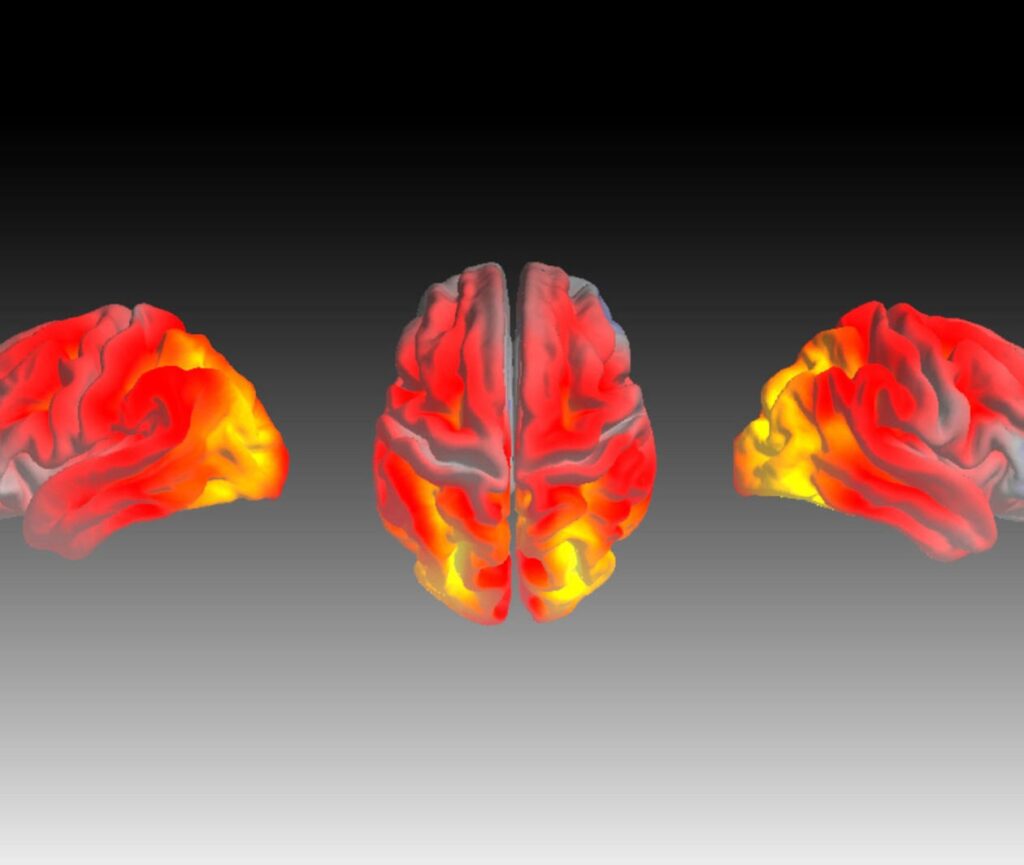
This online course from UCL explores four less‑common forms of dementia, combining expert lectures with first‑person accounts to illuminate symptoms, underlying brain changes, and care implications.
Offered by UCL, the course examines familial Alzheimer’s disease, behavioural variant frontotemporal dementia, dementia with Lewy bodies, and posterior cortical atrophy through clinical and lived‑experience perspectives.
It is designed for clinicians, care professionals, students, family members, and people living with dementia who want a research‑informed, practical grounding in atypical presentations.
Learners can expect to develop clearer symptom recognition, basic neuroanatomical explanations, and the ability to apply research insights to improve support and care.
At a Glance
The Many Faces of Dementia is an online course from UCL that examines four less-common dementia diagnoses and their implications for care and research. It combines expert-led explanations of brain changes with first-person perspectives to explore symptoms, diagnosis, and supportive care approaches.
| Level | Beginner |
| Rating | 4.9 out of 5 |
| Duration | 5+ hours |
| Languages | English |
| Certificate |
|
| Access | Limited free access; optional upgrade for extended access and certificate |
| Course includes |
|
| Price | Free to join with optional paid upgrade for extended access and certificate |
What This Course Teaches
Learners complete the course with clearly measurable competencies focused on recognising, explaining, and applying knowledge about four less-common forms of dementia. The outcomes are framed so learners can demonstrate skills in symptom identification, neuroanatomical explanation, application of research to care, and critical self-assessment.
How the Course Is Structured
The Many Faces of Dementia is organised into four thematic modules, each focused on one of the less-common dementia diagnoses the course examines. Together the modules run to around 5+ hours of total learning, delivered as weekly activities made up of short videos, articles, and discussion prompts.
Curriculum overview
01Familial Alzheimer’s disease▾
Covers signs, clinical presentation, and the genetic and pathological mechanisms specific to familial forms of Alzheimer’s disease.
02Behavioural variant frontotemporal dementia▾
Examines behavioural and cognitive features, affected brain regions, and implications for diagnosis and care.
03Dementia with Lewy bodies▾
Explores the characteristic symptoms, overlap with other dementias, and challenges for treatment and support.
04Posterior cortical atrophy▾
Focuses on the visual and perceptual disturbances of posterior cortical atrophy and their neurological basis and care needs.
Audience & Requirements
The course targets people with a direct interest in dementia, combining perspectives useful to practitioners, family members, people recently diagnosed, and students.
It is introductory in level and designed for learners with no specialist prerequisites beyond an interest in the topic.
- Healthcare and support staff working with people with dementia.
- Family members and informal carers seeking better understanding.
- People in the early stages of dementia exploring their condition.
- Students and trainees interested in dementia care or research.
- No special prerequisites; suitable for beginners.
- Willingness to engage in reflective discussion activities.
Final Verdict
This is a concise, well-structured introduction to four less-common forms of dementia and is a worthwhile choice for caregivers, clinicians seeking contextual refreshers, students, and people personally affected by dementia. It delivers focused, research-informed material with low barrier to entry and clear practical relevance.
Opt for the paid upgrade if you need formal certification or CPD recognition; otherwise the free enrolment route still provides the core learning at minimal cost. The combination of strong platform reputation and accessible access options makes it a sensible, low‑risk investment for those wanting to deepen their understanding of atypical dementia presentations.