Small and Mighty: Introduction to Microbiology
Explore microbes and run safe at-home experiments
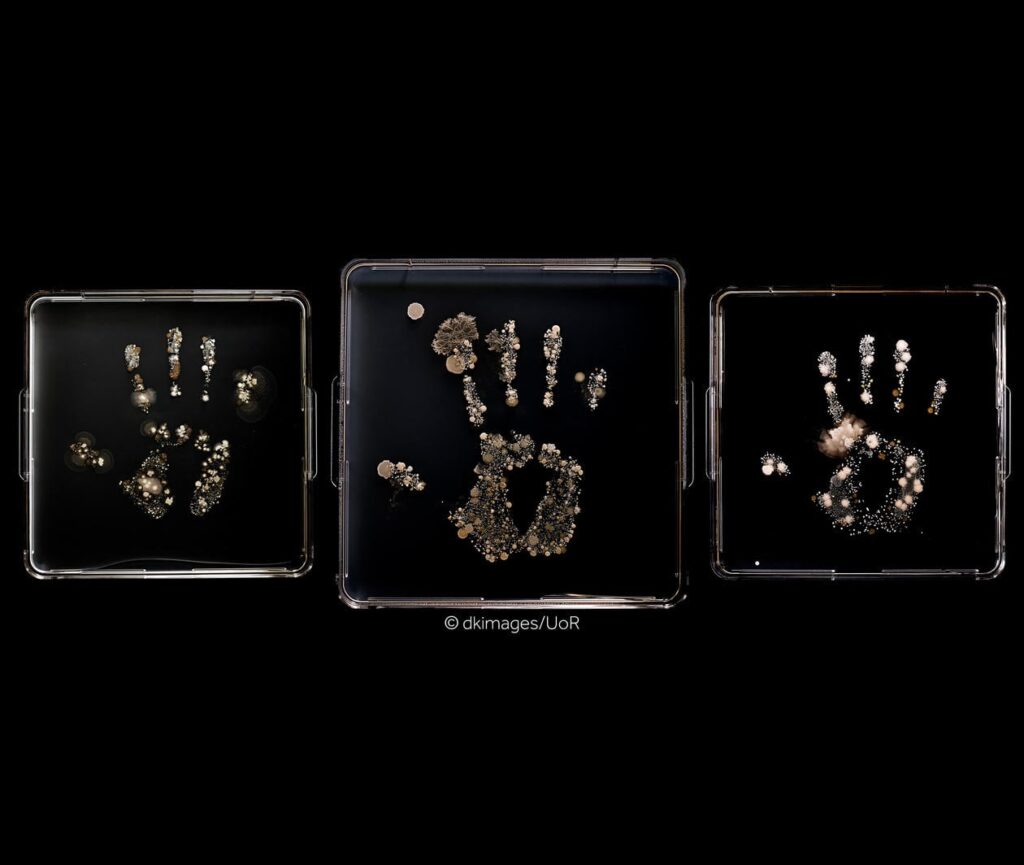
Small and Mighty: Introduction to Microbiology is an accessible online course from the University of Reading led by Dr Glyn Barrett. It introduces microbial diversity, basic laboratory techniques and the roles microbes play across health, food and environmental systems.
Through short videos, expert interviews, demonstrations and simple at‑home experiments, the course emphasizes practical skills and scientific reasoning. It is a practical entry point for beginners, educators and curious learners who want hands-on, safe microbiology experiments and clear explanations of microbial impacts.
At a Glance
Small and Mighty: Introduction to Microbiology is an introductory online course led by Dr Glyn Barrett and the University of Reading team.
It surveys microbial diversity, basic laboratory techniques, and the roles microbes play in health, food and the environment through expert interviews, demonstrations and practical experiments you can try at home.
| Level | Beginner |
| Rating | 4.8 out of 5 |
| Duration | 3+ weeks |
| Languages | English |
| Certificate | Certificate of achievement available on completion |
| Access | Free access to the course run with an optional paid upgrade for extended access and the certificate |
| Course includes |
|
| Price | Free to join with an optional paid upgrade for extended access and certificate |
What This Course Teaches
These outcomes are framed as measurable competencies you can demonstrate in assessments and simple lab activities. You’ll be able to describe the five microbial groups; explain replication and environmental influences; differentiate beneficial and harmful microbes; discuss research impacts on health, food and environment; explain microbial evolution implications; and conduct and analyse simple experiments.
How the Course Is Structured
The course is organised into 17 labelled steps across three weekly modules and is designed to be completed over roughly three weeks.
Each week groups focused activities — short videos, readings and practical tasks — so learners progress through a sequence of topic-specific modules from introduction to applied experiments and reflections.
Curriculum overview
01 Welcome to the course ▾
Introduces the lead educator, course layout and the topics you will cover across the three-week run.
02 Types of microbes ▾
Outlines the five major groups of microbes and what distinguishes each group.
03 How microbes function ▾
Explains microbial competition for nutrients and the basic biological processes that enable growth and reproduction.
04 Where microbes live ▾
Examines environmental adaptations and the range of habitats occupied by different microbial species.
05 Microbe-host interactions ▾
Explores the spectrum of relationships between microbes and their hosts, from symbiosis to pathogenicity.
06 Review and reflect ▾
Wraps up week one with a reflective review of key concepts covered so far.
07 Microbiology discoveries ▾
Introduces technological advances that reveal new microbial diversity in previously inaccessible environments.
08 Microbiology techniques ▾
Shows laboratory techniques and demonstrations used to separate and examine mixed microbial samples.
09 Interpreting results ▾
Covers methods for analysing experimental data and drawing supported conclusions from lab observations.
10 Your turn to analyse results ▾
Learners perform a hands-on experiment using everyday supermarket items and practice recording observations.
- Experiment write-up
11 Review and reflect ▾
Summarises week two activities and encourages reflection on techniques and findings.
12 Medical microbiology ▾
Discusses pathogens, detection methods and the role of microbiologists in identifying disease-causing microbes.
13 Treatment and prevention ▾
Explains how antibiotics and other interventions work, with commentary from medical microbiologists on research into pathogens.
14 Food microbiology ▾
Covers safe food handling principles, cross-contamination risks and the microbiology behind common kitchen practices.
- Practical experiment
15 Environmental microbiology ▾
Explores microbial roles in global processes such as the carbon and nitrogen cycles across diverse habitats.
16 Microbes and biotechnology ▾
Looks at beneficial applications of microbes in research and biotechnology and how they can be harnessed to solve problems.
17 Review and reflect ▾
Final reflections on the course content and guidance on next steps for further study in microbiology.
Audience & Requirements
The course targets adult learners with a curiosity about microbiology, from complete beginners to school students considering further study in the life sciences. It is also suitable for home experimenters and educators seeking hands-on demonstrations and simple practical activities to illustrate microbial concepts.
- Curious adults and lifelong learners seeking an accessible introduction to microbes.
- School students studying biology or preparing for applications to microbiology degrees.
- Home experimenters and teachers who want safe, supermarket-based practical activities.
- Anyone interested in how microbes affect health, food safety and the environment.
- No special prerequisites or prior microbiology knowledge.
- Willingness to perform simple at-home experiments using everyday supermarket items.
- Basic note-taking and observation skills to record and analyse experimental results.
Final Verdict
Small and Mighty is a practical, low-barrier introduction to microbiology that suits curious adults, school-level biology students and educators who want guided, safe experiments and clear conceptual framing. It’s a low-risk, practical introduction that delivers meaningful conceptual grounding and simple lab practice for non-specialists.
Given its strong user rating and placement on a large open-learning platform, the course represents good value: you can join for free and pay only if you want extended access and a certificate, so sampling the content is inexpensive. This makes it a recommended first step for beginners and teachers; learners seeking intensive, professional laboratory training should consider more advanced, credit-bearing programmes instead.