Ecology and Wildlife Conservation
Learn practical ecology and conservation skills for study and action
Ecology and Wildlife Conservation introduces foundational concepts in ecology and practical approaches to conserving biodiversity, exploring population biology, ecosystem resilience, and real-world threats to seabirds, pollinators, and coral reefs.
The course uses case studies, hands-on activities, and basic data analysis to develop measurable skills in assessing environmental impacts and applying contemporary conservation techniques in response to climate change.
At a Glance
Ecology and Wildlife Conservation is an introductory online course from the University of Leeds that surveys core concepts in ecology and practical approaches to conserving biodiversity.
It is taught by lecturer Chris Hassall and covers topics from population biology and seabirds to pollinators, coral reefs, and the use of modern technology in conservation.
| Level | Beginner |
| Rating | 4.5 out of 5 |
| Duration | 2 weeks (approx. 2–3 hours per week) |
| Languages | English |
| Certificate | Certificate of Achievement available (paid upgrade) |
| Access | Free access to course materials during the course; upgrade available for extended access and certificate |
| Course includes |
|
| Price | Free to join with optional paid upgrade for certificate; subscription options may include access |
What This Course Teaches
This course frames outcomes as observable, demonstrable competencies you can use in ecological study and conservation practice.
Learners will develop skills to identify threats, analyse ecosystem responses, evaluate field data, and investigate modern conservation techniques.
How the Course Is Structured
The course is organized into two thematic weeks and comprises 10 modules/steps in total.
Expect to complete the course in about 4–6 hours overall, working through sequential lessons and activities across both weeks.
Curriculum overview
01Welcome▾
Introduces learners and invites them to share their reasons for studying the course.
02Conserving life on Earth▾
Explores different reasons for conserving biodiversity and the concept of the continuum of life on Earth.
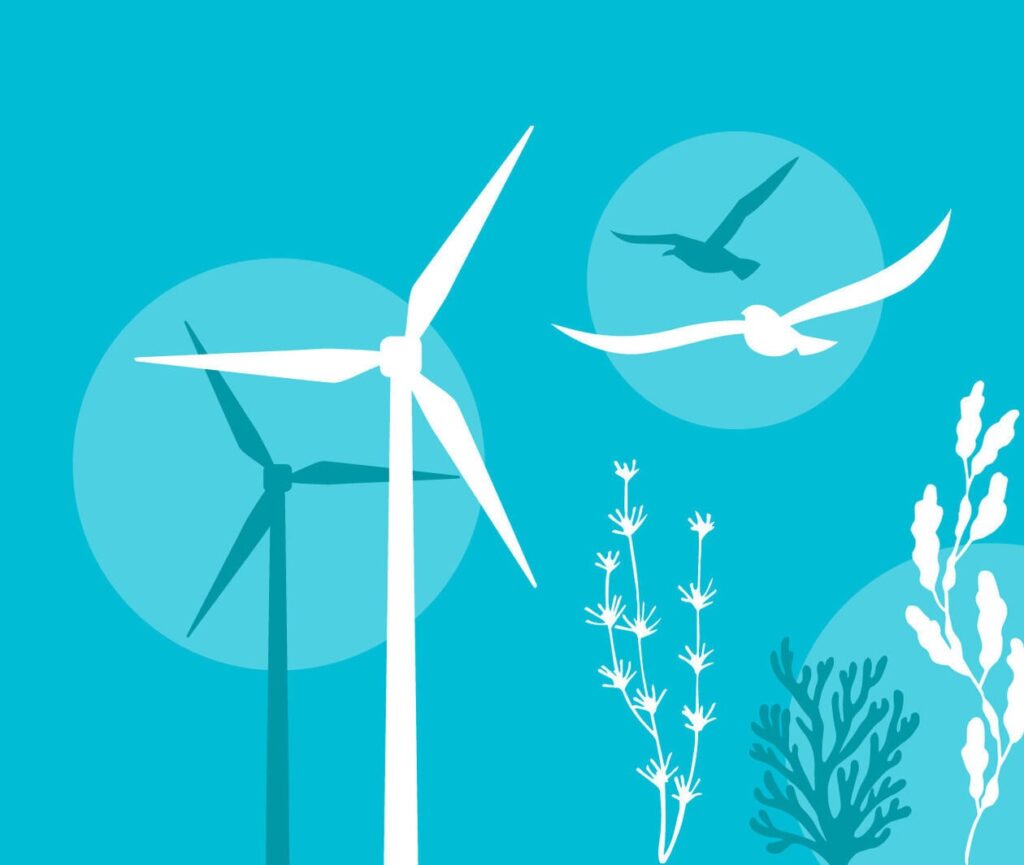
03Case study: Seabirds and windfarms▾
Analyses real data to assess the impacts of offshore wind farms on seabird populations.
04Population biology and conservation▾
Examines how population biology influences conservation priorities and management decisions.
05Summary▾
Recaps Week 1 topics and points learners toward the upcoming focus on ecosystem resilience.
06About Week 2▾
Introduces the Week 2 focus on coral reef and pollinator communities and the threats they face.
07What is an ecosystem?▾
Studies characteristics of ecosystems to predict resistance and resilience, with reference to coral reefs.
08How do ecosystems respond to change?▾
Uses a model ecosystem to explore responses to species removal and environmental change.
09Technology in conservation▾
Considers how new technologies are applied to develop scientific knowledge about ecosystems and species.
10Summary▾
Tests understanding of Week 2 content and suggests next steps for further study.
Audience & Requirements
This course is aimed at learners interested in ecology and wildlife, especially high-school students preparing for degrees in conservation biology, and teachers seeking classroom enrichment. It is suitable for newcomers with no specialist background but expects participants to engage with case studies, practical activities, and basic data evaluation.
- High-school students preparing university applications in ecology, conservation biology, or zoology.
- Prospective undergraduates exploring degree-level ecology topics.
- Teachers looking for classroom enrichment and practical case studies.
- Nature enthusiasts and volunteers wanting practical conservation literacy.
- No special prerequisites or prior qualifications.
- Basic secondary-school biology or a keen interest in ecological topics is helpful.
- Willingness to take part in practical activities, interpret simple datasets, and engage in discussions.
Final Verdict
This short, university-backed introduction provides practical case studies and guided activities that make it an efficient entry point for prospective ecology students and informed hobbyists.
Given its strong rating and the option to upgrade for a verified certificate, the course is a cost-effective way to gain foundational knowledge and practical exposure. It is recommended for high-school students preparing university applications, teachers seeking classroom resources, and engaged nature enthusiasts; learners seeking deep fieldwork training or advanced methodological depth should treat this as a preparatory step before enrolling in longer, specialised programmes.