
The Life and Afterlife of Mary Queen of Scots
Explore Mary Queen of Scots' life and cultural legacy
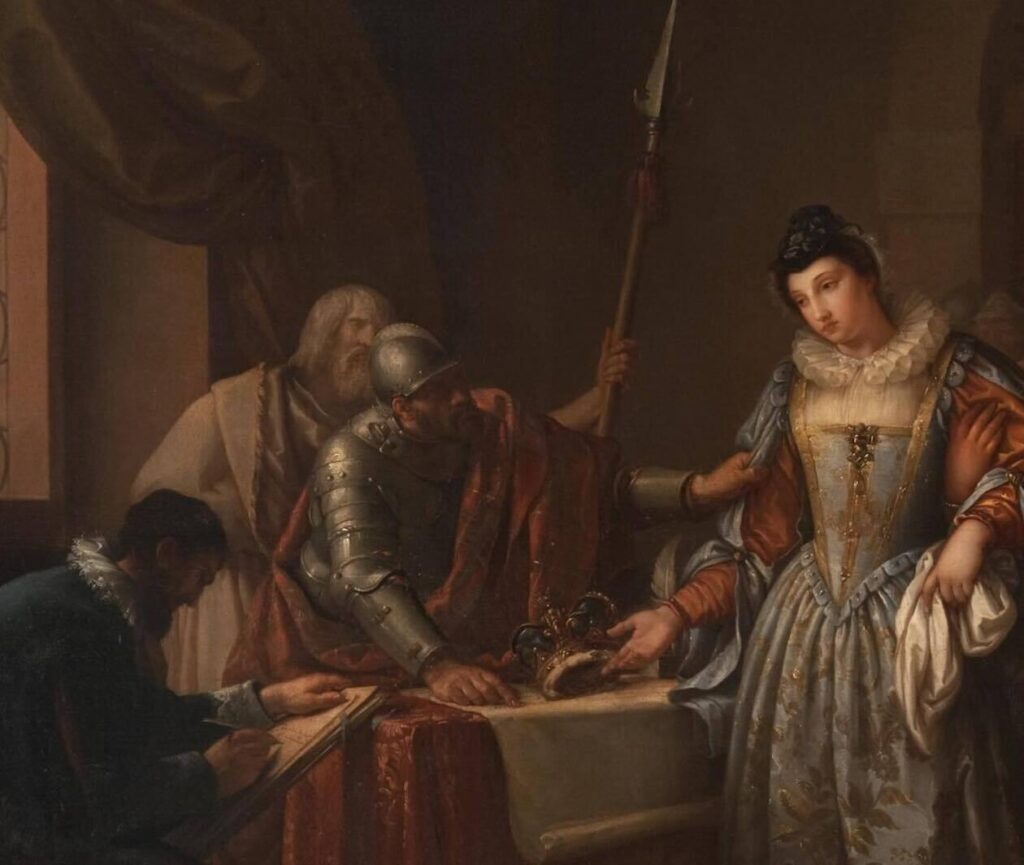
The Life and Afterlife of Mary Queen of Scots presents a concise, source‑led exploration of Mary Stuart’s biography and the ways her story has been remembered and repurposed across centuries. The course frames Mary within the political, religious and cultural upheavals of sixteenth‑century Scotland and Europe while emphasising how images, objects and narratives have shaped her public identity.
Learners work with primary texts and curated visual materials to analyse key episodes—marriage, contested succession, imprisonment and execution—and to develop comparative interpretation skills relevant to cultural history and memory studies. This course suits history enthusiasts, teachers and cultural historians who want a focused, evidence‑based survey of Mary’s life and legacy rather than advanced archival training.
At a Glance
The Life and Afterlife of Mary Queen of Scots is a compact course from the University of Glasgow that surveys the biography of Mary Stuart and traces how her image has been remembered over time.
It is taught by University of Glasgow staff and covers political, religious and personal episodes of her life alongside analyses of visual culture, relics and modern portrayals.
| Level | Beginner |
| Rating | 4.8 out of 5 |
| Duration | 5+ hours |
| Languages | English |
| Certificate | Certificate of Achievement (paid upgrade) |
| Access | Free access to core content during the course; paid upgrade for extended access and certificate |
| Course includes |
|
| Price | Free to join with optional paid upgrade for certificate and extended access |
What This Course Teaches
The course frames outcomes as measurable competencies in historical knowledge, source analysis, and cultural interpretation.
Learners will be expected to apply evidence-based analysis, compare representations across media, and evaluate competing historical interpretations.
How the Course Is Structured
The course is organised as a short, three-week sequence of thematic units that together form a coherent, instructor-led survey of Mary Queen of Scots and her cultural afterlife.
It comprises 17 titled sections spread across three weekly modules and runs for approximately 5+ hours in total.
Curriculum overview
01 Welcome ▾
Course orientation introducing the teaching team, the course outline, and an initial prompt about learners’ interests in Mary.
02 Who is Mary? An overview ▾
A concise summary of Mary Stuart’s life and an exploration of why she remains a contested historical figure.
03 Sixteenth Century Scotland and Europe ▾
Examines the impact of the Protestant Reformation and the wider European and Anglo-Scottish context that shaped Mary’s early life.
04 Mary in France, 1548-1561 ▾
Looks at Mary’s upbringing at the French court, her marriage to François, and the brief period as queen consort of France.
05 Consolidation and Next Steps ▾
Short review materials to consolidate the first week’s topics.
- Short consolidation video
- Review activity
06 Mary’s Reign: Introduction ▾
Provides a quick account of key events during Mary’s personal reign in Scotland and summarises her subsequent captivity in England.
07 Good beginnings? Mary in Scotland, 1561-1565 ▾
Set of activities assessing Mary’s early record on religion, domestic and foreign policy, and the implications of remarriage and succession.
08 Mary and Darnley ▾
Examines Mary’s marriage to Henry Stewart Lord Darnley and the political and personal consequences that followed.
09 Mary and Bothwell ▾
Investigates James Hepburn, Earl of Bothwell, his seizure of Mary, their marriage, and contested accounts of violence and consent.
10 Mary’s Later Life ▾
Covers Mary’s flight to England, her long imprisonment under Elizabeth I, and the circumstances that led to her execution.
11 Consolidation and Next Steps ▾
End-of-week discussion and consolidation to share interpretations with peers.
- Discussion activity
- Consolidation exercise
12 Introduction ▾
Introduces the idea of Mary’s cultural afterlife and explains how different versions of her story are produced in different contexts.
13 Mary’s death and the Early Legend ▾
Analyses eyewitness accounts of the execution and how sixteenth-century propaganda helped shape Mary’s early legend.
14 Mary’s image ▾
Traces the development of Mary’s visual iconography—her cap, rosary cross, dress and ruff—and how imagery evolved after her death.
15 Collecting Mary ▾
Surveys relics, objects and curios that commemorate Mary and explores why such items attracted collectors and public interest.
- Object analysis activity
16 Some Modern Maries ▾
Surveys modern portrayals of Mary in film, theatre and popular culture and highlights a contemporary comic-artist commission.
17 Consolidation and next Steps ▾
Final consolidation of course material and guidance on where to continue research and reading.
- Final consolidation activity
- Further reading and resources
Audience & Requirements
The course is intended for adult learners with a personal or professional interest in Mary Queen of Scots, sixteenth‑century British history, or cultural memory studies.
It is best suited to learners seeking a compact, source-led survey and interpretive practice rather than specialist archival training.
- Lifelong learners and history enthusiasts interested in Mary Stuart and Tudor‑Stuart Britain.
- Undergraduate students or teachers seeking supplementary material on sixteenth‑century politics and religion.
- Cultural historians, curators, or creative professionals researching historical representation and iconography.
- Anyone exploring gender, religion, or Anglo‑Scottish relations through biographical study.
- No special prerequisites or prior subject‑matter expertise.
- Basic ability to read and interpret historical texts and visual sources.
- Willingness to engage in online discussion activities and short analytical exercises.
Final Verdict
Overall, this course is a worthwhile, cost‑effective introduction for learners seeking a compact, evidence‑led survey of Mary Queen of Scots and her cultural afterlife.
Given its strong user rating, beginner accessibility, and the option to sample most content for free while paying only for an upgraded certificate and extended access, it offers good value for history enthusiasts, teachers, and cultural researchers who want structured, source‑based analysis without committing to advanced archival study. It is less suitable for learners seeking deep methodological training or intensive primary‑source research, who should look for specialist or research‑level programmes instead.