
Introduction to Forensic Psychology
Learn to evaluate offender psychology, profiling, and lie-detection methods
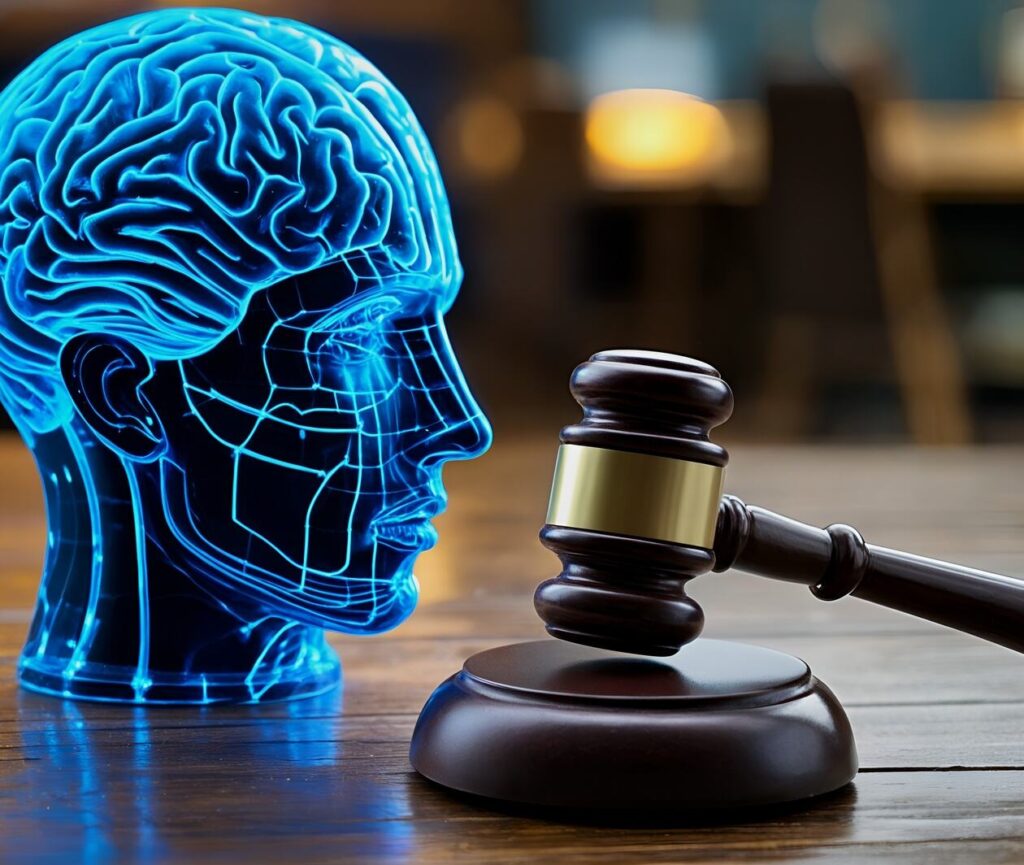
Introduction to Forensic Psychology is an online introductory course taught by Dr Rebecca Wilcoxon at Central Queensland University that explores how psychological science applies to criminal investigation and the justice system. It surveys criminal profiling, psychological disorders in offenders, lie-detection techniques, and the ethical challenges practitioners face.
The course uses case studies and research-led materials to teach you to evaluate profiling methods, interpret offender psychology, and critique lie-detection approaches for use in investigative and legal contexts.
At a Glance
Introduction to Forensic Psychology is an online introductory course taught by Dr Rebecca Wilcoxon of Central Queensland University that examines how psychological science applies to criminal investigation and the justice system.
It broadly covers criminal profiling, psychological disorders related to offending, lie-detection methods, ethical challenges, and practical case studies that evaluate real-world validity.
| Level | Beginner |
| Rating | 4.2 out of 5 |
| Duration | 4 weeks |
| Languages | English |
| Certificate |
|
| Access | Free limited-time access to core materials; paid upgrade or FutureLearn subscription grants extended access and the certificate. |
| Course includes |
|
| Price | Free to join with an optional paid upgrade for extended access and a certificate; available through FutureLearn subscription plans. |
What This Course Teaches
Learners complete the course with measurable competencies they can apply to case analysis and justice settings.
Outcomes are framed so you can identify, explain, and evaluate core forensic concepts and methods in practical contexts.
How the Course Is Structured
The course is organised as a short, four-week programme composed of eight instructional units that follow the published syllabus.
Each unit focuses on a distinct topic — from introductory orientation through profiling, personality and lie-detection material — and the course concludes with a final quiz to assess learning.
Curriculum overview
01 Course Introduction ▾
Introduces the field of forensic psychology, outlines learning objectives, and explains assessment expectations presented by the course instructor.
02 Role of the Forensic Psychologist ▾
Explores day-to-day contributions of forensic psychologists, including investigative support, expert testimony, risk assessment, and rehabilitation involvement, using case examples.
03 Profiling ▾
Covers the history and methods of criminal profiling, including the FBI Behavioural Analysis Unit, and evaluates profiling’s reliability and limitations.
04 Introduction: Psychological State & Crime ▾
Introduces how personality traits and the Big Five framework relate to criminal behaviour and outlines key personality disorders relevant to offending.
05 Psychological State & Crime Continued ▾
Presents facts and statistics on psychopathy versus other disorders, and examines legal standards for mental health defences through a case study.
06 Introduction to Lie Detection ▾
Defines lie detection concepts, surveys common beliefs about detecting deception, and introduces different methodological approaches.
07 Lie Detection Convictions and Evidence ▾
Examines a wrongful-conviction case from Australia and discusses concepts such as the Strategic Use of Evidence in investigative and courtroom contexts.
08 Final Quiz and Summary ▾
Consolidates learning across the course and provides a final quiz to assess comprehension of key concepts.
- Final quiz
Audience & Requirements
The course is pitched at learners with an academic or professional interest in how psychological science applies to criminal investigation and the justice system.
It targets students and practitioners who want a practical introduction to profiling, offender psychology, and evidence-based interrogation and assessment methods.
- Psychology and criminology students seeking topical coursework or background reading.
- Police, legal, and justice-sector professionals looking for psychological perspectives on investigations and testimony.
- Early-career forensic practitioners or allied professionals wanting applied case-study experience.
- Professionals pursuing CPD or research-informed introductions to forensic methods.
- No special prerequisites; the course is designed for beginners in forensic psychology.
- A basic familiarity with common psychology terms is recommended to follow examples and case studies.
Final Verdict
This short, entry-level course offers a reliable, evidence-focused introduction to forensic psychology and is worth taking if you want a structured overview with formal recognition.
Given its strong learner rating, the availability of an optional paid certificate and CPD accreditation, and the low initial cost to join, it represents good value for students and professionals seeking verified continuing professional development rather than deep clinical training.
Recommend it for psychology and criminology students, early-career forensic practitioners, and professionals collecting CPD credits who need a concise, practice-oriented primer.
Those seeking specialist qualifications or extensive hands-on assessment experience should view this as a foundational step and plan to follow with more advanced, practice-focused training.