The Forbidden City and Its People: Exploring Chinese Heritage with The Palace Museum
Explore the Forbidden City's history, architecture and museum collections.
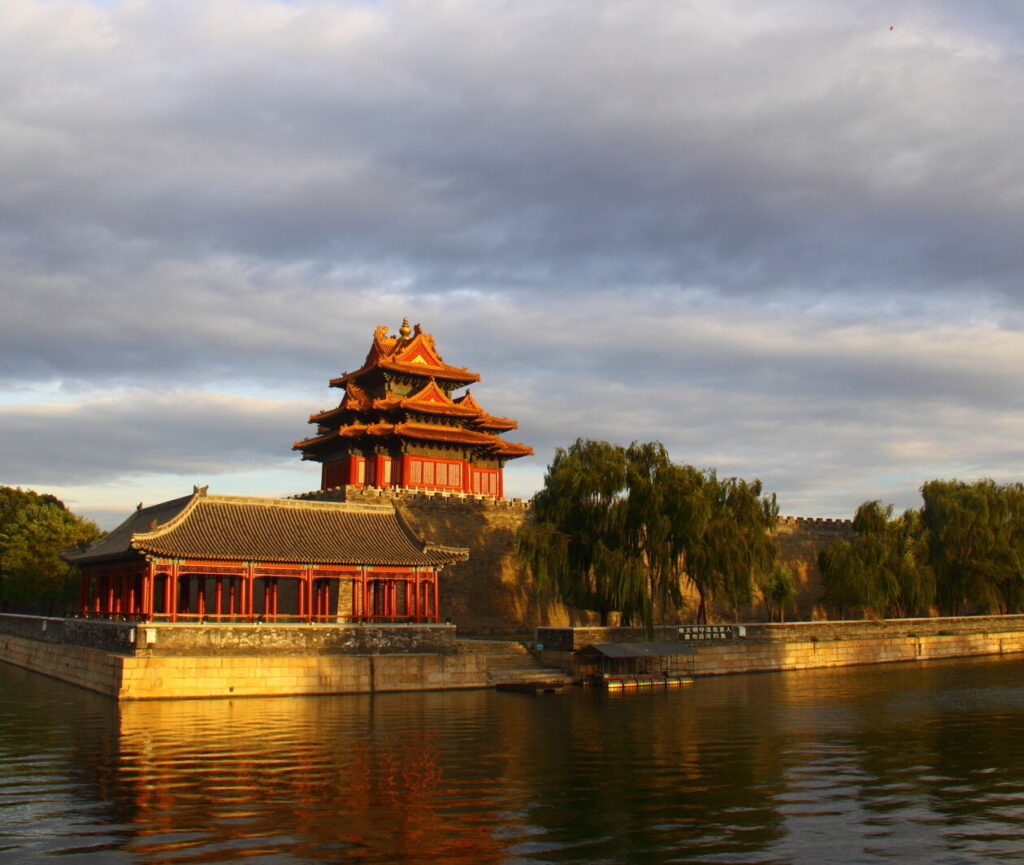
The Forbidden City and Its People: Exploring Chinese Heritage with The Palace Museum is an online course offered by the University of Stirling in collaboration with the Palace Museum that introduces learners to the architecture, ornamentation, and social history of China’s imperial palace.
It combines illustrated lectures, curated artefact studies, and guided activities to reveal how design, ritual and daily routines shaped palace life across the Ming and Qing eras, while highlighting conservation and curatorial practice.
At a Glance
The Forbidden City and Its People: Exploring Chinese Heritage with The Palace Museum is an online course produced by the University of Stirling in collaboration with the Palace Museum, presenting expert-led content about one of China’s central cultural sites.
It surveys the palace’s architecture, interiors, imperial lives, and the museum’s collections and preservation work, using guided weekly activities and community discussion to unpack historical and cultural contexts.
| Level | Beginner |
| Rating | 4.6 out of 5 |
| Duration | 6+ weeks |
| Languages | English |
| Certificate | Optional paid Certificate of Achievement |
| Access | Limited free access for the course duration with an optional upgrade for extended access and a certificate |
| Course includes |
|
| Price | Free to access course content; optional paid upgrade for certificate |
What This Course Teaches
The course frames outcomes as demonstrable competencies across architectural analysis, social history, and museum practice so learners can show concrete, assessable knowledge after completion.
By the end of the course learners will be able to explain architectural principles, analyze interior decoration and palace society, identify museum collections and preservation approaches, and critically evaluate the Palace Museum’s role in heritage stewardship.
How the Course Is Structured
The course is organised as a sequence of short, focused units spread across six weeks, comprising nineteen distinct syllabus activities that follow a weekly thematic progression from architecture to museum practice.
Each week groups several concise modules so learners can progress through topic-based readings, illustrated lectures and guided activities at a steady weekly pace.
Curriculum overview
01Introduction to the course▾
Course orientation and an overview of aims, structure and how to engage with weekly activities and community discussion.
02The construction and layout of the Forbidden City▾
Examines the palace’s spatial organisation, centrality, symmetry and the building and material techniques used in its construction.
03Key structures and their importance▾
Surveys the major ceremonial and functional buildings within the complex and explains their historical and symbolic roles.
04Design for Living▾
Considers activities that took place inside buildings and how architectural design balanced aesthetics with daily functionality.
05Conservation and Change▾
Explores phases of restoration and reconstruction across centuries and discusses conservation decisions and their effects.
06Ornament and Decoration▾
Analyses ornamental programmes and mythical motifs, explaining their cultural and spiritual significance in traditional practice.
07Exploring the History of the Emperors▾
Traces the biographies and historical contexts of emperors who resided in the Forbidden City after Beijing became the capital.
08Stories of the Ming and Qing Emperors▾
Focuses on the Ming and Qing dynasties, their ruling periods and notable imperial figures and events linked to the palace.
09Palace Life and Legacies▾
Looks at leisure, arts and cultural practices at court and the longer-term legacies those practices left on Chinese culture.
10The Empress Dowagers and their Stories▾
Examines the political and familial roles of empress dowagers and their influence within imperial succession and court life.
11Imperial Consorts in the Ming and Qing Dynasties▾
Describes the hierarchy, privileges and ceremonial roles of the empress, consorts and concubines in palace society.
12Princesses in the Ming and Qing Dynasties▾
Focuses on the lives, family networks and social positions of imperial princesses in the palace system.
13The Ministers▾
Considers senior officials and ministers who worked within the palace apparatus and their governmental roles.
14Physicians and Guards▾
Covers the duties of the royal physician and the organisation and notable members of the palace guards.
15Women and Eunuchs in the Palace▾
Explores the roles of female officials, attendants and eunuchs and how they shaped everyday palace administration.
16Western Missionaries▾
Discusses Western visitors and missionaries who engaged with the Forbidden City in scientific, artistic and diplomatic capacities.
17The Transformation from Forbidden City to Palace Museum▾
Traces institutional change as the imperial palace became a public museum and the implications for heritage management.
18The Collections▾
Introduces the Palace Museum’s holdings and curatorial scope, including its many artefacts (the collection numbers over 1.8 million items).
19Exhibitions in the Palace Museum▾
Outlines permanent and temporary exhibition practices, period halls and the museum’s international loan and exhibition programme.
Audience & Requirements
The course targets learners seeking a focused, scholarly introduction to the Forbidden City, its inhabitants, and the Palace Museum’s role in preserving Chinese heritage.
It is designed for history enthusiasts, museum and heritage professionals, students of Asian studies, and educators who need reliable contextual material for study or interpretation.
- History and cultural heritage enthusiasts seeking a structured introduction to the Forbidden City.
- Museum, heritage and conservation professionals wanting contextual knowledge about collections and preservation.
- Students of Chinese history, art history, or Asian studies pursuing focused supplemental study.
- Educators and tour guides preparing interpretive content for classrooms or visitor programmes.
- No special prerequisites or prior expertise in Chinese history.
- Comfort reading academic-style English texts and following narrated lectures.
Final Verdict
Given its positive rating, university and museum partnership, and a free-to-access model with an optional paid certificate upgrade, this offering is a strong, low-risk way to gain reputable, museum-backed insight into the Forbidden City.
Recommended for history enthusiasts, museum and heritage professionals, students, and educators who want a concise, credible introduction without a large financial commitment.