New Zealand History, Culture, and Conflict: A Museum Perspective
Learn Aotearoa’s cultural history through Te Papa's collections.
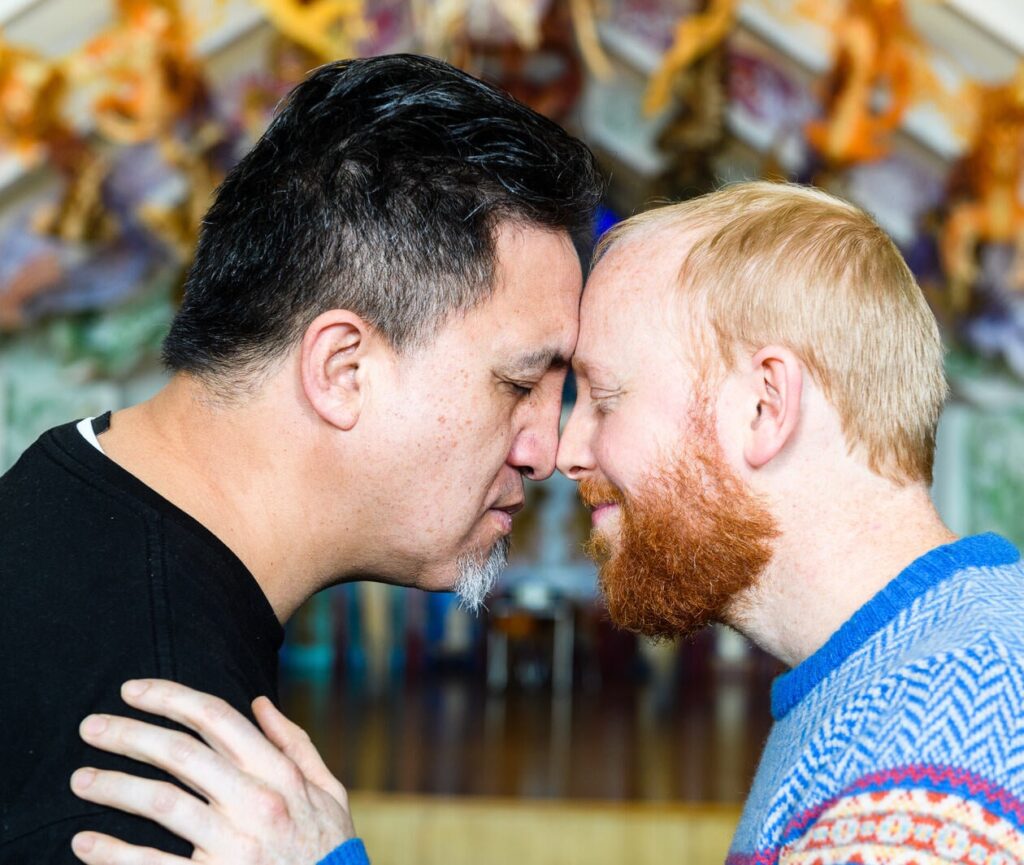
This course, delivered by the Museum of New Zealand Te Papa Tongarewa, uses collection-based interpretation to trace Māori settlement, Pacific navigation, and the colonial encounters that have shaped Aotearoa’s cultural history.
Through object study and guided reflection the course examines Matariki and Maramataka, the Treaty of Waitangi, and the museum’s role as a living institution, offering an accessible, evidence-led introduction to New Zealand’s heritage and contemporary cultural practice.
At a Glance
This short online course, developed and presented by the Museum of New Zealand Te Papa Tongarewa, introduces learners to New Zealand’s cultural history through museum collections and interpretation.
It covers Māori arrival and knowledge systems, colonial encounters including the Treaty of Waitangi, and the role of Te Papa as a living museum, using guided activities and community discussion to explore heritage and identity.
| Level | Beginner |
| Rating | 4.7 out of 5 |
| Duration | 2+ weeks |
| Languages | English |
| Certificate | Optional paid certificate |
| Access | Open enrollment — start immediately or at the next scheduled run |
| Course includes |
|
| Price | Free to access with optional paid certificate |
What This Course Teaches
By course end, learners will be able to demonstrate measurable competencies in New Zealand cultural history through evidence-based description, comparative analysis, and practical museum engagement.
The course frames outcomes as skills: describing Pacific navigation, summarising Māori calendrical knowledge, analysing colonial conflict and the Treaty of Waitangi, comparing indigenous–colonial relationships, and engaging with museum-led cultural interpretation.
How the Course Is Structured
The course is organised into 12 short sections across a three-week structure, grouping topical lessons and reflective activities under three weekly themes. It follows a linear, week-by-week progression (Tangata Whenua; Colonisation and Conflict; The museum as a place for living culture) so learners move from arrival narratives to colonial history and finally to museum practice.
Curriculum overview
01 Introduction ▾
Orientation and welcome to the course, outlining aims and how to navigate the materials.
02 Early Arrivals ▾
Explains long-distance Pacific navigation and introduces the first Māori settlements and cultural developments in Aotearoa.
03 By the Moon & Stars ▾
Introduces Matariki and Maramataka and how lunar‑stellar calendars guided food gathering, planting, and seasonal life.
04 Reflection ▾
Guided reflection on Week One topics and personal takeaways from the material.
05 Introduction ▾
Overview of Week Two and the focus on colonisation and conflict in New Zealand history.
06 First Meetings ▾
Examines first contacts between Māori and western explorers, including Captain Cook’s arrival, from a museum interpretation perspective.
07 Te Tiriti o Waitangi ▾
Covers the Treaty of Waitangi, the New Zealand Wars, the Kingitanga movement, and the treaty’s contested legacy.
08 Reflection ▾
Guided reflection on Week Two materials, focusing on perspectives and historical impacts.
09 Introduction ▾
Introduces Week Three’s exploration of museums as active sites for cultural practice and storytelling.
10 The Living Museum ▾
Considers the role of museums in supporting living culture and the importance of community‑led storytelling in institutions.
11 Inside Te Papa ▾
Provides a glimpse at Te Papa’s practice, including a co‑curated exhibition and the museum’s marae, Rongomaraeroa.
12 Reflection ▾
Final reflection tying together course themes and suggesting next steps for further learning and engagement.
Audience & Requirements
The course is intended for adult learners and professionals who want an accessible, museum-based introduction to Aotearoa New Zealand’s history and cultural practices.
It suits beginners and those working in or with museums, schools, or community organisations who need a concise, interpretive overview rather than specialised academic training.
- Undergraduate or adult learners seeking introductory context on New Zealand and Pacific history.
- Museum staff, volunteers, and cultural sector workers wanting museum-focused interpretive perspectives.
- Teachers and community educators preparing accessible lessons on Māori history and colonial contact.
- Lifelong learners and heritage enthusiasts interested in collections-based learning.
- No special prerequisites or prior subject knowledge.
- Working proficiency in English to follow course content and discussions.
- Willingness to take part in guided reflections and online discussion activities.
Final Verdict
This course is a worthwhile, low‑risk introduction to Aotearoa New Zealand’s cultural history and museum practice, well suited to beginners and cultural‑sector learners.
Given its strong user rating and open-access format with an optional paid certificate, it delivers good value for anyone seeking a concise, museum-framed overview without a large financial or time commitment; choose it for practical context, teaching ideas, or community-engagement practice, and look to more specialised academic offerings if you need deep archival or research-level study.