Portrait Photography Essentials: One Light Setups
Master single-light portrait setups for magazine-style shots
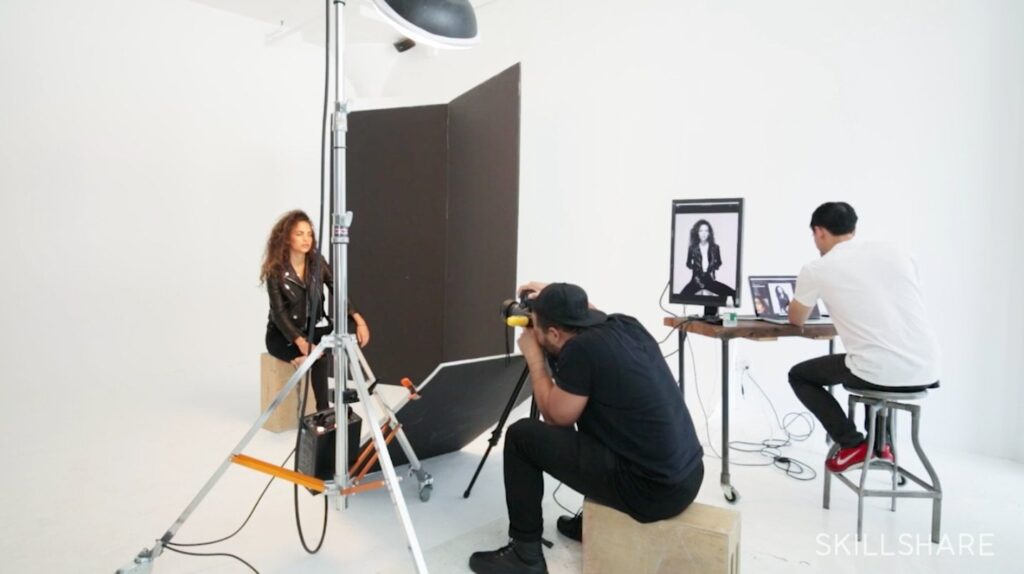
Portrait Photography Essentials: One Light Setups is a focused class that teaches single‑source portrait lighting and practical studio techniques. It prioritizes repeatable one‑light methods—split, loop, Rembrandt, and butterfly—to help photographers shape mood and contrast with minimal gear.
Geared toward beginner and intermediate photographers as well as smartphone shooters, the course pairs compact demonstrations with a hands‑on project and black‑and‑white editing notes. Expect actionable setups you can reproduce on location or in a simple studio.
At a Glance
Portrait Photography Essentials: One Light Setups is a short, practical class taught by fashion photographer Justin Bridges that introduces several single-light portrait techniques and low-cost gear approaches. It covers split, loop, Rembrandt, and butterfly lighting plus guidance for shooting with minimal equipment including smartphones and basic post-processing tips.
| Level | Beginner to Intermediate |
| Rating | 4.6 out of 5 |
| Duration | 30+ minutes |
| Languages | English |
| Learners | 10K+ students |
| Certificate | No certificate |
| Access | Access while your Skillshare subscription is active |
| Course includes |
|
| Price | Included with Skillshare subscription |
What This Course Teaches
The course frames outcomes as demonstrable photography competencies so learners can repeat and evaluate specific lighting looks across subjects and locations. Students practice setting up, executing, and post-processing split, loop, Rembrandt, and butterfly one-light setups, and complete a hands-on portrait project using minimal or smartphone gear.
How the Course Is Structured
The class is organized as a compact sequence of focused lessons: it runs across 12 short modules presented as topic-led videos and optional project work. The full course comprises 12 lessons totaling about 44 minutes, arranged to move quickly from introduction and equipment to each one-light technique and short editing notes.
Curriculum overview
01 Introduction ▾
Introduces the single-light approach and explains the course goals and expectations for the hands-on project.
02 Project Assignment ▾
Outlines the hands-on assignment: produce one to five portraits using one-light setups and document the light source and placement.
03 Equipment ▾
Covers affordable accessories, DIY modifiers, and how to adapt simple gear or household items to shape light.
04 Split Lighting ▾
Demonstrates setting up split lighting and maintaining an approximate 50/50 light-to-shadow ratio for dramatic portraits.
05 Loop Lighting ▾
Builds on split lighting to place the light for a soft facial shadow and discusses catch light placement to enhance the eyes.
06 Rembrandt Lighting ▾
Explains the Rembrandt setup for a painterly, dimensional look and how small adjustments change shadow shape and depth.
07 Butterfly Lighting ▾
Breaks down the butterfly (paramount) light setup, highlights common problems, and suggests practical fixes for flattering headshots.
08 iPhone ▾
Shows how to approximate studio one-light looks using a smartphone and available light, including exposure and bounce techniques.
09 Notes on Editing: Butterfly Lighting ▾
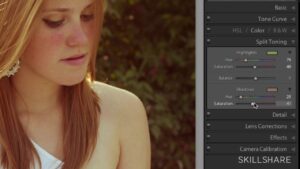
Demonstrates targeted black-and-white edits to enhance texture and contrast in butterfly-lit portraits.
10 Notes on Editing: Rembrandt Lighting ▾
Covers quick post-processing tweaks to bring out dimensionality and recover detail in Rembrandt-lit images.
11 Final Thoughts ▾
Summarizes key takeaways and suggests directions for continued practice and experimentation.
12 Explore Photo Classes on Skillshare ▾
Points learners to related classes and additional resources on the platform for further study.
Audience & Requirements
The class is aimed at beginning to intermediate photographers who want practical, repeatable approaches to portrait lighting. It suits hobbyists and smartphone shooters as well as early-career portrait or fashion photographers seeking quick, usable one-light setups.
- Beginner photographers learning fundamental portrait lighting techniques.
- Hobbyists and smartphone shooters wanting magazine-style portraits without expensive gear.
- Early-career or freelance portrait/fashion photographers seeking practical one-light setups.
- Learners preparing a short portfolio or a hands-on class project in black-and-white portraiture.
- A camera or a smartphone capable of reasonable exposure control.
- Optional low-cost modifiers or DIY bounce solutions (reflector, bounce card, soft box alternatives).
- Optional: basic photo-editing software for black-and-white adjustments.
- No advanced lighting prerequisites; willingness to practice hands-on setups.
Final Verdict
This short, hands-on class is a practical, high‑value introduction to one‑light portrait techniques and is particularly well suited to beginners, smartphone shooters, and photographers seeking quick, usable setups. It reliably teaches repeatable lighting setups and concise editing tips in a compact format, making it a strong choice for learners who want actionable skills without a large time or equipment commitment.
If you require an accredited certificate or an in‑depth, multi‑week lighting curriculum, this is not that program — it is an applied skill builder rather than a credential track. For portfolio practice, fast skill acquisition, and learning how to get magazine‑style looks with minimal gear, this course is a sensible, recommendable option.


 LinkedIn Learning