Landscape Photography: Shooting From An Aerial Perspective
Learn to capture dramatic landscapes from elevated viewpoints

Taught by National Geographic photographer Michael Yamashita, this class introduces aerial approaches to landscape photography and emphasizes composition, light, pattern, and scale from elevated viewpoints.
The lessons pair practical gear and exposure guidance with strategies for shooting from ladders, rooftops, hills or aircraft, and include a hands-on project designed to take your images from ground-level frames to striking aerial perspectives.
At a Glance
Landscape Photography: Shooting From An Aerial Perspective is a Skillshare class taught by National Geographic photographer Michael Yamashita that focuses on capturing landscapes from elevated viewpoints.
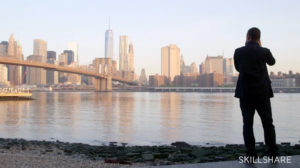
The lessons cover gear choices, timing and weather, compositional strategies, and practical ways to shoot from ladders, rooftops, hills, or aircraft to emphasise light, pattern and scale.
| Level | Beginner to Intermediate |
| Rating | 4.6 out of 5 |
| Duration | 30+ minutes |
| Languages | English |
| Learners | 2K+ learners |
| Certificate | No certificate |
| Access | Access while your Skillshare subscription is active |
| Course includes |
|
| Price | Included with Skillshare subscription (monthly or annual plans) |
What This Course Teaches
Learners will gain measurable competencies in aerial landscape photography, including gear selection, exposure choices, composition for scale and pattern, and practical elevation techniques.
Outcomes are oriented toward producing a clear project progression that demonstrates the ability to plan shoots by light and weather and to execute higher-perspective images safely.
How the Course Is Structured
The course is organized into 10 short lessons and runs roughly 38 minutes in total. The sequence moves from an introduction to accessible aerial techniques, gear and settings, timing and weather strategies, and concludes with a practical rooftop shoot and final recommendations.
Curriculum overview
01Intro▾
Sets expectations and frames the aerial perspective approach to landscape photography.
02Accessible Aerials▾
Outlines practical, low-barrier methods for achieving elevated viewpoints without aircraft.
03What’s in my Camera Bag?▾
Discusses recommended gear, lenses, and camera settings for aerial landscape work.
04When to Shoot: Sunrise and Sunset (Magic Hour)▾
Explains timing strategies to capture decisive light during sunrise and sunset periods.
05Using Bad Weather to Your Advantage▾
Shows how adverse weather can be leveraged for mood, texture, and dramatic compositions.
06Rooftop Inspiration▾
Offers compositional and positional ideas specific to rooftop vantage points.
07Helicopter Shots▾
Briefly covers considerations and approaches when shooting from aircraft like helicopters.
08Putting it into Practice: Let’s Shoot from a Rooftop▾
A practical walkthrough demonstrating how to apply earlier lessons during a rooftop shoot.
09Final Thoughts▾
Wraps up key takeaways and offers creative guidance for continued practice.
10Explore Photo Classes on Skillshare▾
Points learners to related classes and further study opportunities on the platform.
Audience & Requirements
The class is designed for photographers and committed hobbyists who want to learn practical methods for capturing landscapes from higher vantage points.
It targets beginners with some camera familiarity as well as intermediate practitioners seeking concrete techniques for aerial composition, timing, and gear choices.
- Hobbyist landscape photographers expanding into elevated and aerial perspectives.
- Travel and documentary shooters who want to convey scale and pattern from above.
- Intermediate photographers refining timing, compositional choices, and weather use.
- Learners seeking a short, project-based exercise to practice ground-to-aerial progression.
- A camera with manual exposure control (DSLR, mirrorless, or advanced compact).
- Basic familiarity with exposure and composition (recommended but not strictly required).
- Access to elevated viewpoints (ladders, rooftops, hills) or the ability to arrange aerial access; prioritize safety.
- Willingness to shoot at sunrise/sunset and in varied weather conditions as part of the assignment.
Final Verdict
Overall, this concise class is a high-value, practical introduction to elevated landscape photography and is worth taking for motivated hobbyists and practicing photographers who want quick, actionable techniques.
The instruction by an experienced National Geographic photographer, together with positive learner reception and inclusion on a subscription platform, makes it a low-friction way to add aerial composition and timing skills to your toolkit; however, it is intentionally brief and not a substitute for comprehensive, technical training or credential-focused coursework.

 LinkedIn Learning