The Practicing Photographer
Practice photography with short, hands-on lessons.
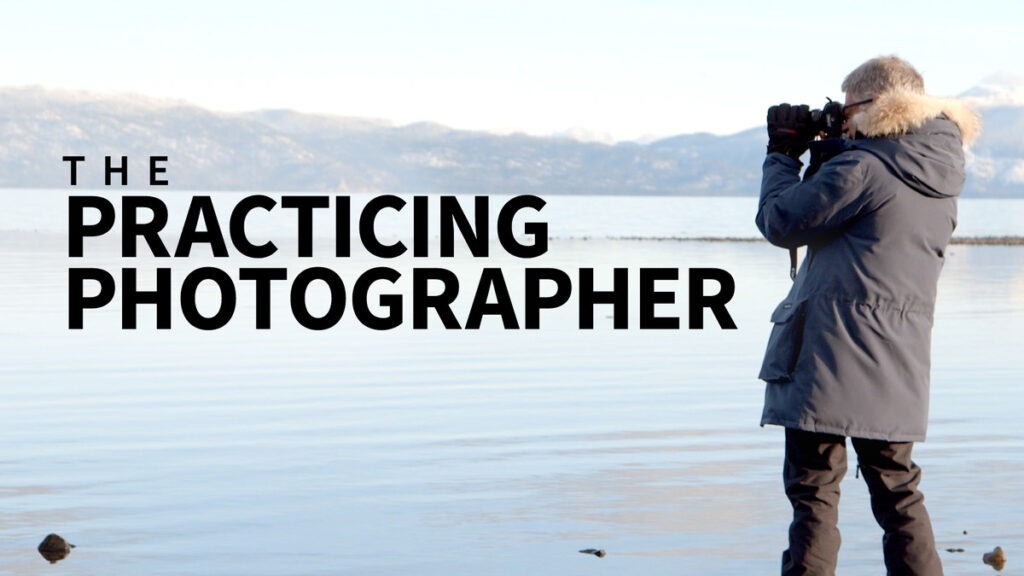
The Practicing Photographer, led by Ben Long, is an ongoing series of concise, practical video lessons that pair technical demonstrations with creative prompts to encourage regular photographic practice.
The series touches on composition, lighting, camera technique, analog photography, and post-processing workflows, and it emphasizes hands‑on assignments and image critique so learners can steadily develop both technical skills and a personal photographic vision.
At a Glance
The Practicing Photographer is an ongoing instructional series taught by Ben Long that pairs short, practical video lessons with concrete shooting prompts.
The course surveys shooting scenarios, gear choices, editing workflows, and creative practice, with each installment concluding in a call to action meant to get you shooting and experimenting.
| Level | Beginner to Intermediate |
| Rating | 4.8 out of 5 |
| Duration | 40+ hours |
| Languages | English |
| Certificate | No certificate of completion |
| Access | Access while subscription is active; free trial available |
| Course includes |
|
| Price | Included with subscription (monthly or annual); free trial available |
What This Course Teaches
Learners finish the series with measurable, shootable competencies across camera technique, composition, lighting, post-production, and critique.
The outcomes focus on skills you can apply immediately in real shoots and projects, with a mix of technical and creative proficiencies.
How the Course Is Structured
The Practicing Photographer is organized as a long-running series of short, focused video episodes grouped into a single continuous syllabus rather than a small set of multi-week modules.
The series is presented as 100+ short episodes and activities that together total approximately 40+ hours of video content, with each episode focusing on a specific technique, gear topic, or creative prompt.
Curriculum overview
01Introduction▾
Sets expectations for the series and Ben Long’s approach to regular photographic practice.
02Rewind: Using a small reflector to add fill light▾
Demonstrates practical use of a small reflector to soften shadows and add controlled fill.
03How much editing is okay? Part three▾
Explores ethical and aesthetic boundaries of image editing and decision-making in post.
04How much editing is okay? Part two▾
Continues the discussion on acceptable editing practices with concrete examples.
05How much editing is okay? Part one▾
Introduces principles for balancing retouching with photographic intent.
06Changing your vision, part two▾
Examines techniques to shift perspective and refresh creative approaches.
07Changing your vision, part one▾
Introduces exercises to challenge habitual seeing and develop new photographic vision.
08REWIND: Is more dynamic range better?▾
Considers trade-offs involved with sensor dynamic range and practical shooting choices.
09The speed of your career▾
Discusses pacing and professional development strategies for photographers.
10Using a voice isolator in video▾
Practical tip for improving audio clarity when recording video on shoots.
11Focus stack processing▾
Outlines post-processing steps to blend multiple focus-shifted frames.
12In-camera focus stacking▾
Shows in-camera techniques and considerations for capturing focus stacks.
13Telephoto lenses▾
Covers practical uses and limitations of telephoto optics in varied genres.
14Rewind: Seeing an image in post▾
Reflects on how post-production alters perception of an image made in the field.
15Challenge yourself to beat boredom▾
Offers exercises designed to re-engage motivation and generate fresh shoots.
16Create a 65:24 aspect ratio mask▾
Demonstrates cropping and mask techniques to explore unconventional aspect ratios.
17Modify your camera’s aspect ratio▾
Explains camera settings and compositional impacts of changing aspect ratios in-camera.
18How to handle boredom: Part 2▾
Continues practical strategies to maintain creative momentum during slow periods.
19How to handle boredom: Part 1▾
Introduces quick exercises and mindset shifts to fight creative stagnation.
20The shape of the frame▾
Discusses framing choices and how edge treatment affects image reading.
21Inspiration from Steve Simon▾
Profiles influences and practical lessons drawn from another photographer’s work.
22Why did you take that picture?▾
Encourages reflection on intent and decision-making behind individual images.
23Explore your point of view▾
Exercises to help identify and strengthen your unique viewpoint when shooting.
24Is your lens too sharp?▾
Considers optical characteristics and how perceived sharpness affects image quality.
25The importance of lighting your prints▾
Explains how viewing and lighting conditions influence print presentation.
26Define “practice”▾
Clarifies an actionable definition of photographic practice and routines to develop it.
27Rewind: Beware of overtraining▾
Reflects on the limits of repetitive drills and how to avoid diminishing returns.
28Benefits of third-party lenses▾
Practical evaluation of third-party optics and where they offer value.
29A new way to warm up▾
Introduces a rapid warm-up routine to prepare for productive shooting sessions.
30Phone photography with intent▾
Tips and constraints for making purposeful images with a smartphone camera.
Audience & Requirements
The Practicing Photographer is aimed at beginner-to-intermediate photographers who want short, actionable lessons and frequent shooting prompts to build skill and creative habit. It fits hobbyists seeking structured exercises, intermediate shooters refining technique and workflow, and practitioners exploring both digital and analog processes through critique and project-based practice.
- Beginner photographers building practical camera and composition skills.
- Intermediate photographers refining lighting, post-production, and creative voice.
- Hobbyists who want regular prompts and critique-based improvement.
- Photographers exploring a move between digital and analog workflows.
- A camera or smartphone with manual controls or capable editing apps to complete practice assignments.
- Basic familiarity with exposure and focus concepts is helpful but not mandatory.
- Optional: access to photo-editing software (Lightroom, Photoshop, or web-based editors) to follow post-processing lessons.
Final Verdict
Given its strong learner rating and very large, diverse catalog of short, practical episodes, The Practicing Photographer is a high-value resource for photographers who prioritize steady skill development and hands-on practice.
Because the series is available through a subscription and does not provide a completion certificate, it is most worthwhile for current or prospective subscribers who want ongoing inspiration and technique drills; it is less suitable if you need a credential or a tightly linear, assessment-driven curriculum.

 Skillshare