Travel Photography: Seeing, Shooting, And Editing
See, shoot, and edit memorable travel photos on the go
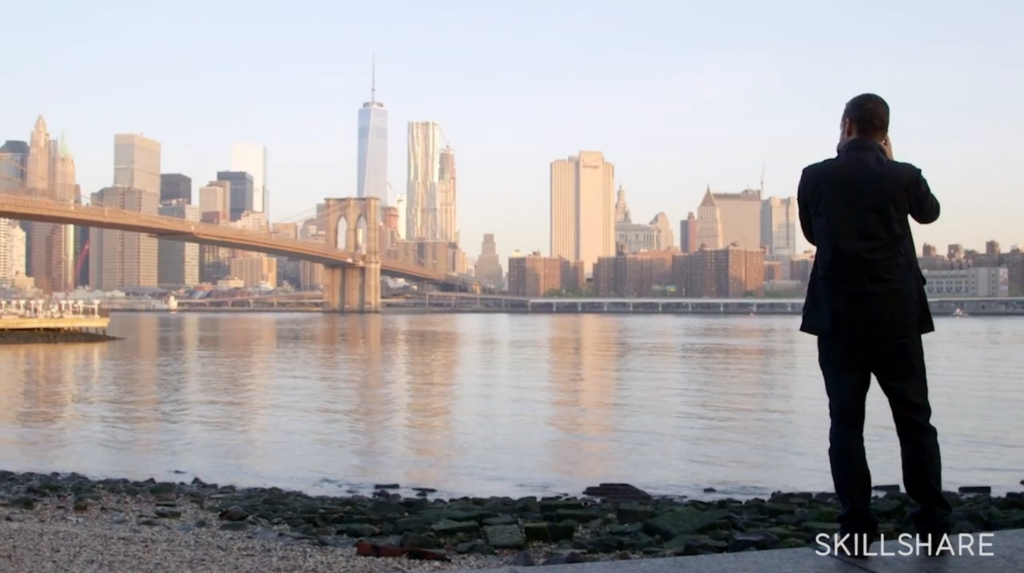
This compact class distills travel photography into actionable shooting strategies and quick editing workflows that work on phones and cameras alike. Through a scavenger‑hunt structure built around five signature photo styles, it trains you to see deliberately and compose images that tell a place’s story.
Learners practice composition, selective framing, and mobile post‑processing while using lightweight accessories when needed, culminating in a curated five‑image series as a practical deliverable. The emphasis is on creative observation, concise technique, and producing shareable travel imagery you can capture on location.
At a Glance
Travel Photography: Seeing, Shooting, And Editing is a Skillshare class taught by photographer Dan Rubin that presents practical shooting approaches and quick editing workflows for travel images. The course pairs creative prompts and compositional advice with light post-processing tips to help you see and photograph places with more intention.
| Level | Beginner to Intermediate |
| Rating | 4.6 out of 5 |
| Duration | 1+ hours |
| Languages | English |
| Certificate | No certificate |
| Access | Access while subscription is active |
| Course includes |
|
| Price | Subscription-based; access requires an active Skillshare subscription |
What This Course Teaches
The course frames outcomes as concrete, demonstrable competencies that learners can apply in real-world travel shoots and editing workflows.
Students will be able to plan and shoot story-driven travel images, choose and use appropriate gear, perform basic mobile edits, and assemble a cohesive photo series conveying place and mood.
How the Course Is Structured
The class is organized into eight short sections that move from orientation through five stylistic shooting lessons, light editing workflow guidance, and a hands-on scavenger-hunt project. Altogether the curriculum runs about one hour and is delivered as brief, focused video lessons.
Curriculum overview
01 Introduction ▾
Orientation to the class, Dan Rubin’s photographic philosophy, and how to approach the scavenger-hunt assignment.
02 Bird’s Eye View ▾
Techniques for finding elevated perspectives and composing overhead shots that reveal a place’s layout and patterns.
03 Off the Beaten Path ▾
Strategies for discovering quieter, less photographed moments and framing scenes away from tourist hubs.
04 Middle of the Road ▾
Using leading lines and centered compositions to convey movement and visual direction in a scene.
05 Signs of Life ▾
Focusing on human-scale details and moments that convey daily life and local character.
06 Iconic Postcard ▾
Approaches for reinterpreting well-known landmarks to capture a fresh, personal angle on a familiar subject.
07 Editing & Mobile Workflow ▾
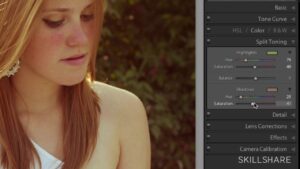
Basic mobile editing techniques and app recommendations to adjust white balance, color, and crop for a polished result.
08 Scavenger Hunt Project & Resources ▾
Guided assignment to capture and present five distinct images that match the five teaching styles, plus links to recommended gear and further reading.
- Assignment: Scavenger Hunt — shoot one image for each of the five styles
- Deliverable: Upload five photos with a brief description of the location
Audience & Requirements
The class targets hobbyist and travel-minded photographers who want practical shooting prompts and compact editing workflows they can apply on location.
It is suitable for beginners learning to see like a travel photographer, intermediate shooters seeking creative prompts, and professionals looking for quick inspiration and mobile-friendly post‑production tips.
- Amateur and hobbyist photographers wanting stronger travel images.
- Intermediate shooters seeking creative prompts and compositional approaches.
- Mobile-phone photographers aiming to improve on-the-go capture and edits.
- Travelers who want to tell a place-based story with a short photo series.
- A camera (smartphone, DSLR, mirrorless, or film) — the course covers phone and camera workflows.
- Familiarity with basic camera controls is helpful but not required; the class is accessible to beginners.
- A mobile photo‑editing app (iOS or Android) for following the editing demos.
- Optional lightweight accessories such as add‑on phone lenses or a compact tripod for certain shots.
- Willingness to complete the scavenger‑hunt assignment by shooting and sharing five images.
Final Verdict
Given the class’s focused scope, strong community rating, and brief runtime, it represents a compact, practical option for photographers who want immediate, usable prompts and mobile editing recipes. For casual photographers and travelers seeking creative shooting prompts and quick, on‑the‑go editing guidance, this class is a worthwhile, low‑commitment choice.
Because the course is accessed via a subscription and does not provide a formal certificate, it is most attractive to existing subscribers or learners prioritizing inspiration over credentials. Those seeking deep technical instruction or a recognized credential should pair this class with longer-form training or credentialed programs.


 LinkedIn Learning